ai-augmented footwear designer - edition 3

ONLINE COURSE DATES: JUNE 12 - juLY 30, 2026

This intensive 7-week program teaches you how you can use AI to make you a much more effective designer:

  • applying research data in creative concepts
  • creating razor-sharp design briefs and tech packs
  • magnificent visual storytelling in 2D/3D and video
  • automating boring administrative tasks
  • defending your concepts to sales and marketing

    Early bird rate is valid until May 18!
    Scroll down for examples of course results
Write your awesome label here.

is this course for you?

AI Augmented Footwear Designer is for serious footwear professionals who want to remain relevant — and lead — in an AI-augmented industry. 

This program is designed for creative professionals who already understand the fundamentals of footwear design and want to strengthen how they think, structure, and defend their work.

You belong here if you:
  • Are willing to question and upgrade your current process
  • Want to use AI as a cognitive partner — not just as a picture generator
  • Care about improving the “why” behind your concepts, not just the visual outcome
  • Want to reduce random iteration and increase structured reasoning and creation
  • See design constraints - such as cost, manufacturability or sustainability aspects - as a challenge to solve, not as a nuisance
  • Want to defend your ideas confidently across marketing, sales, and development in ways you could not do before


This course is for in-house designers, freelancers, consultants, and product developers who want to expand their creative capacity rather than protect outdated workflows. It is suitable for both junior and senior professionals but not ideal for students. No prior AI experience is required.

The program is footwear focused, but the principals you learn can also be applied to  other fashion products and consumer goods.

This course offers subtitles in English, Spanish and Italian. Other languages are offered upon request. Live classes are not subtitled, but the course is accessible for participants with limited knowledge of English.

course format and requirements

Each Friday, a new pre-recorded module (1–2 hours) is released, including a structured assignment to apply the concepts to your own project. Total weekly workload is about 4 hours, A certificate is provided once you have finished all classes. 

Weekly live office hours take place every Wednesday at 5.30 PM CEST and on Thursday at 12:00 PM CEST
, where you can receive feedback on your work, ask questions and meet your fellow participants. With these two time slots, people from all parts of the world can join!

You can also post questions on the community platform at any time. For deeper guidance, optional one-on-one sessions with the instructor are available upon request.

To participate effectively, you will need:
  • A paid subscription to at least one large language model (ChatGPT, Gemini, or Claude).
  • Access to at least one generative design platform that integrates multiple AI models (e.g., Weavy or Flora).


The following tools are recommended but not mandatory:

The course includes exclusive access to a series of useful AI Agents made by Footwearology, such as our Picture to Pantone and Moodboard generators and our highly effective AI tech pack workflow.
COURSE LICENSES

new: enrol your whole team!

Would you like to enrol multiple people at once for one or more courses? You can now simply purchase a number of seats and assign them to your team members. You can follow their individual progress in your personal dashboard and you can change seats whenever you want.

  • If you enrol 2-4 people you get 10% discount.
  • If you enrol 5 people or more you get 20% discount.
  • If you want to enrol more than 8 people, then contact us for a custom deal.


Would you like the course to be held just for your team, either on location or online, at a time that suits you? We have already helped Skechers, John Fluevog, Charles & Keith and Aretto and we are happy to organize this for you as well. Contact us for more details!

course schedule

WEEK 1 > JUNE 12
in-depth intro to AI
In this foundational module you will learn what AI is, how it works, where it excels, and where it fails. We cover common problems such as hallucinations and bias, as well as practical strategies to prevent these and work safely, protecting your IP and that of your clients. You will also explore which AI tools are truly relevant for footwear design, how to spend your money wisely, and what developments to expect in the near future.
WEEK 2 > JUNE 19
research & concepting
How can AI support trend forecasting and targeted market research? In this module, you learn how to use AI to explore future drivers, analyze your target audience more precisely, challenge your own assumptions, and combine structured research with your creative intuition. By the end, you will be able to turn trend and market data into sharper, more intentional design direction.
WEEK 3 > JUNE 26
creating a design brief
In this module, you learn how to use AI to sharpen your brief, eliminate ambiguity, and define explicit constraints and success criteria. A clear brief leads to better prompts, more relevant image generation, and more disciplined decision-making. You will learn how to combine your experience with clearly defined evaluation criteria — allowing AI to act as an additional, more objective set of eyes in your selection process to help you make the best decisions.
week 4 > JULY 3
style and image generation
You will translate your design brief into a defined visual DNA and structured prompt logic that guides AI consistently and deliberately. You will work across multiple AI platforms, learning which environments produce which types of results and how to choose tools strategically. You will also introduce a systematic approach to sorting and early-stage selection, preparing for structured evaluation in the following modules.
WEEK 5 > july 10
creating product series
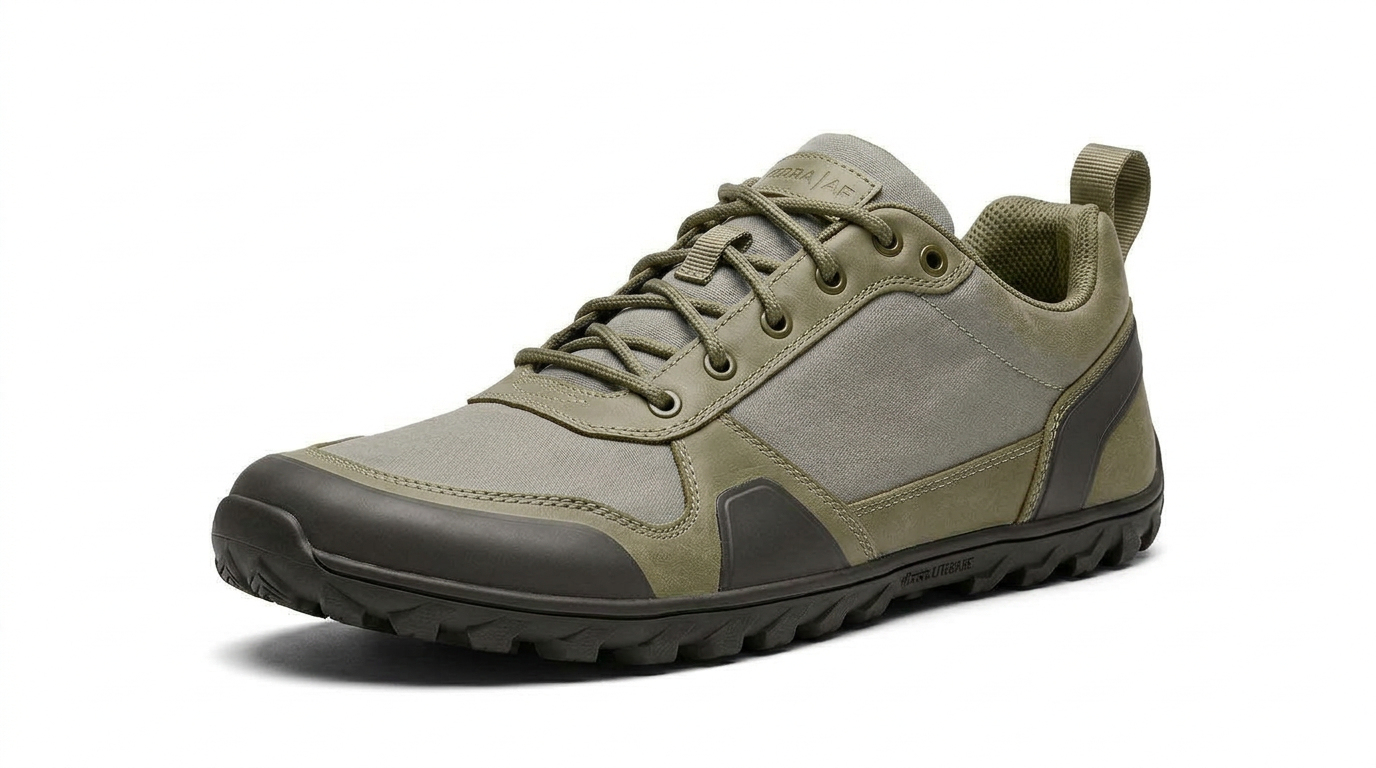
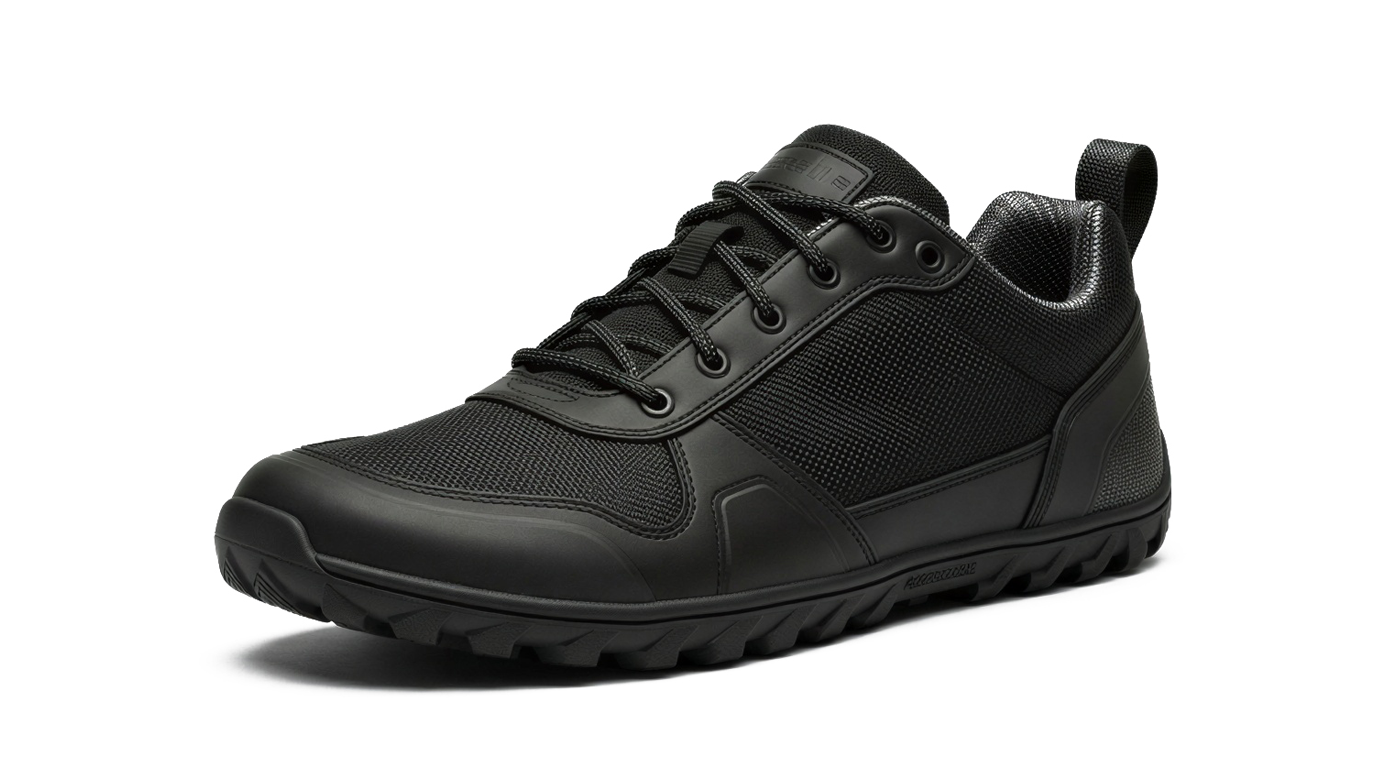
In this module, you move from a single refined concept to a complete product series. You will use AI to systematically generate structured color and material variations based on your defined CMF logic and Pantone references. Instead of spending hours manually producing repetitive colorways and material swaps, you will learn how to instruct AI precisely, maintain coherence across the range, and evaluate variations efficiently.  You will also use AI to support the creation of tech pack elements and organize your development documentation, ensuring that your workflow is not only faster, but repeatable.
WEEK 6 > july 17
2D/3D/video 
I this module we focus on creating extra visuals for a professionals design presentation. This includes virtual try-ons in 2D and 3D, showing the shoes on a model and from all sides, both as still and in motion. We even include a full AI workflow that allows you to create a wearable, 3D printable model of your shoe or sole, without requiring 3D modeling skills.
We also design full packing concepts including vector logos, grahics etc.
The last part of the class is about how to create full feature videos to show off your concept.
WEEK 7 > july 24
concept presentations
in this final class you use AI to compile everything you made during the course into a professional design presentation.
However, just having strong visuals is not enough.

You will also use AI to stress-test your concept from the perspective of sales, marketing, and development — anticipating questions, identifying risks, and strengthening your rationale.

The result is not just a better concept but a better-defended one.
Write your awesome label here.

Examples class 2 - forecasting

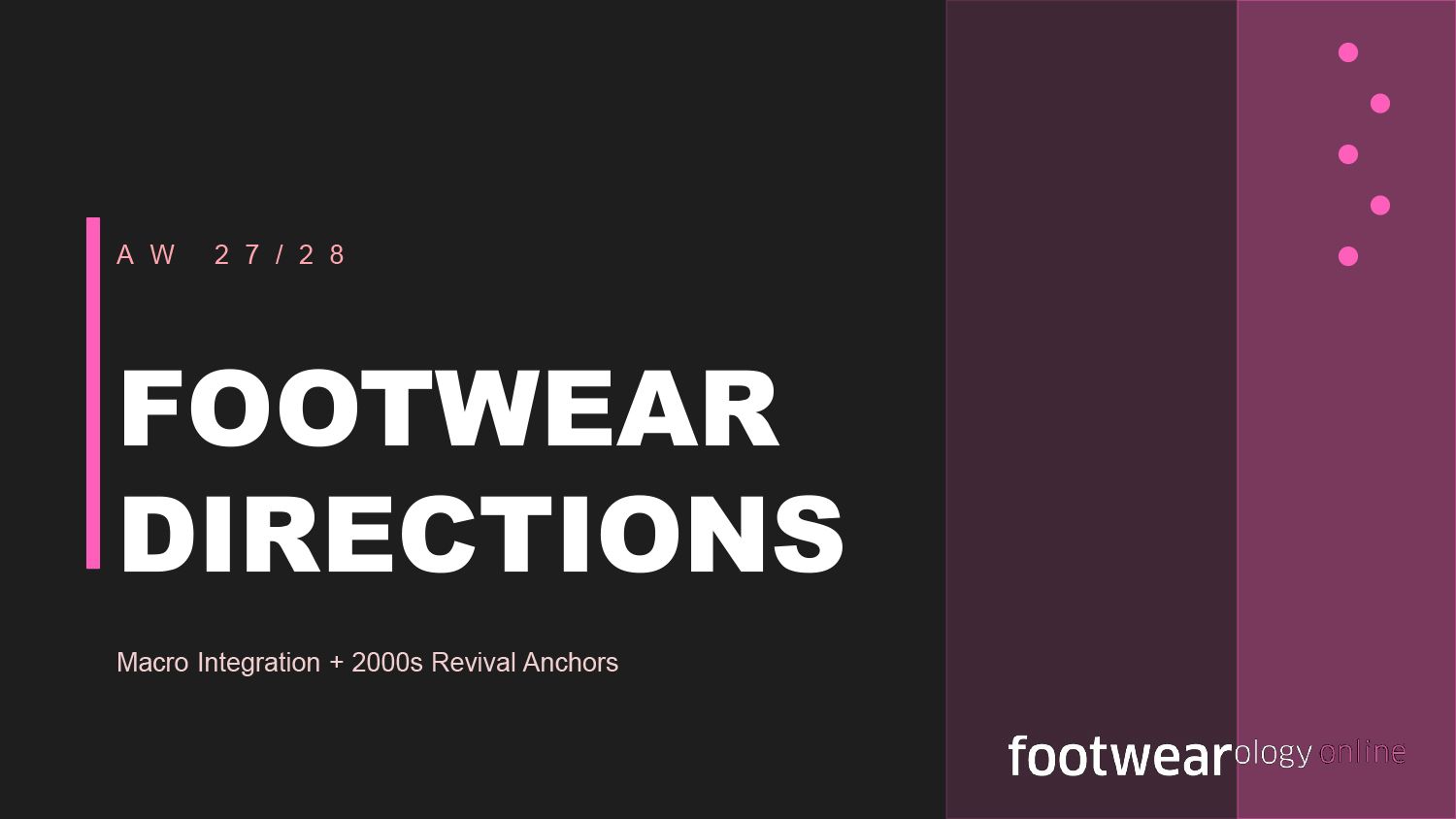
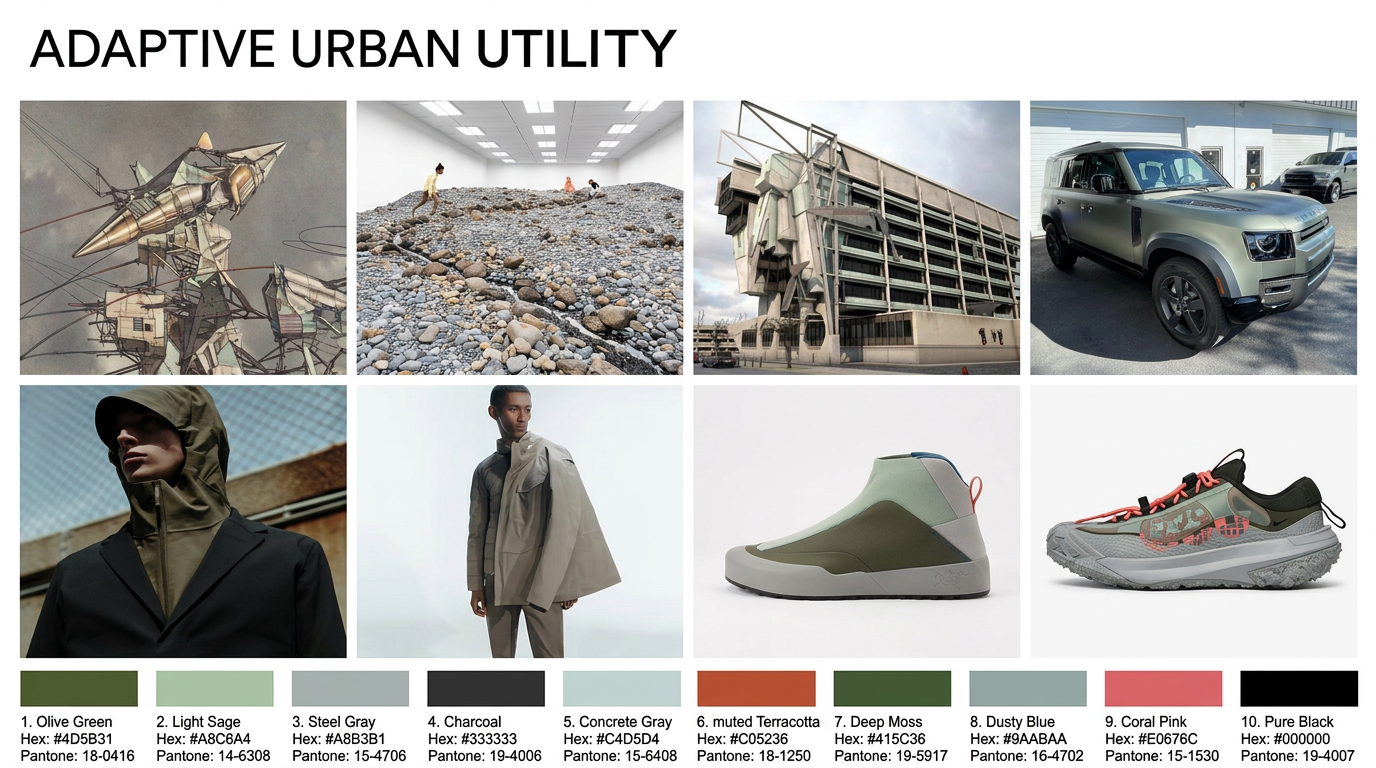
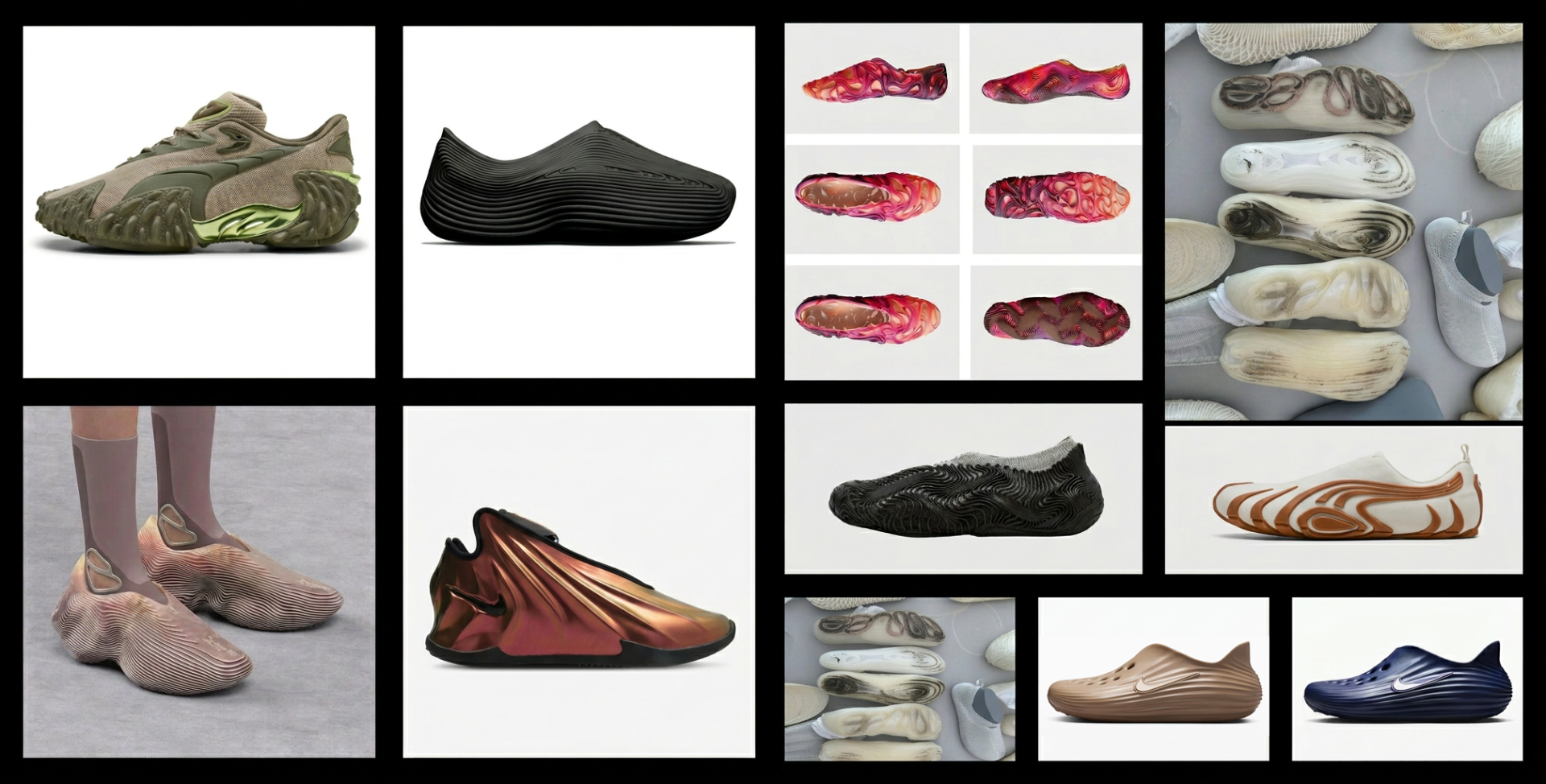
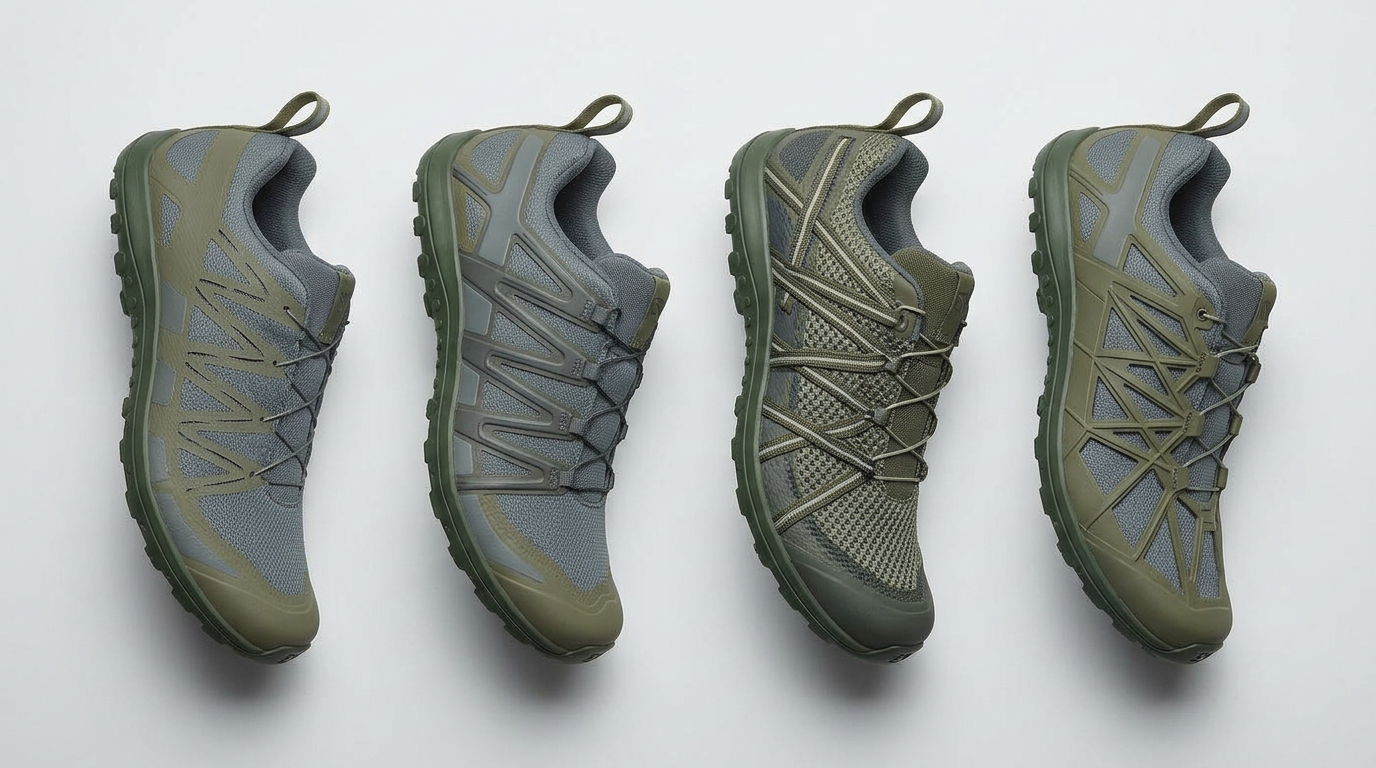
For class 2 we let ai help us collect a wide variety of trend reports for a/w 2027/28, especially for the men´s market, since this was our focus. These were not just reports for fashion and footwear, but also for interior, automotive and gaming. Then we had ai analyze these reports and compare them to macro trend reports about long-term economic and environmental developments. We let ai check if the trends were grounded in actual societal developments and if anything was missing or incorrect.
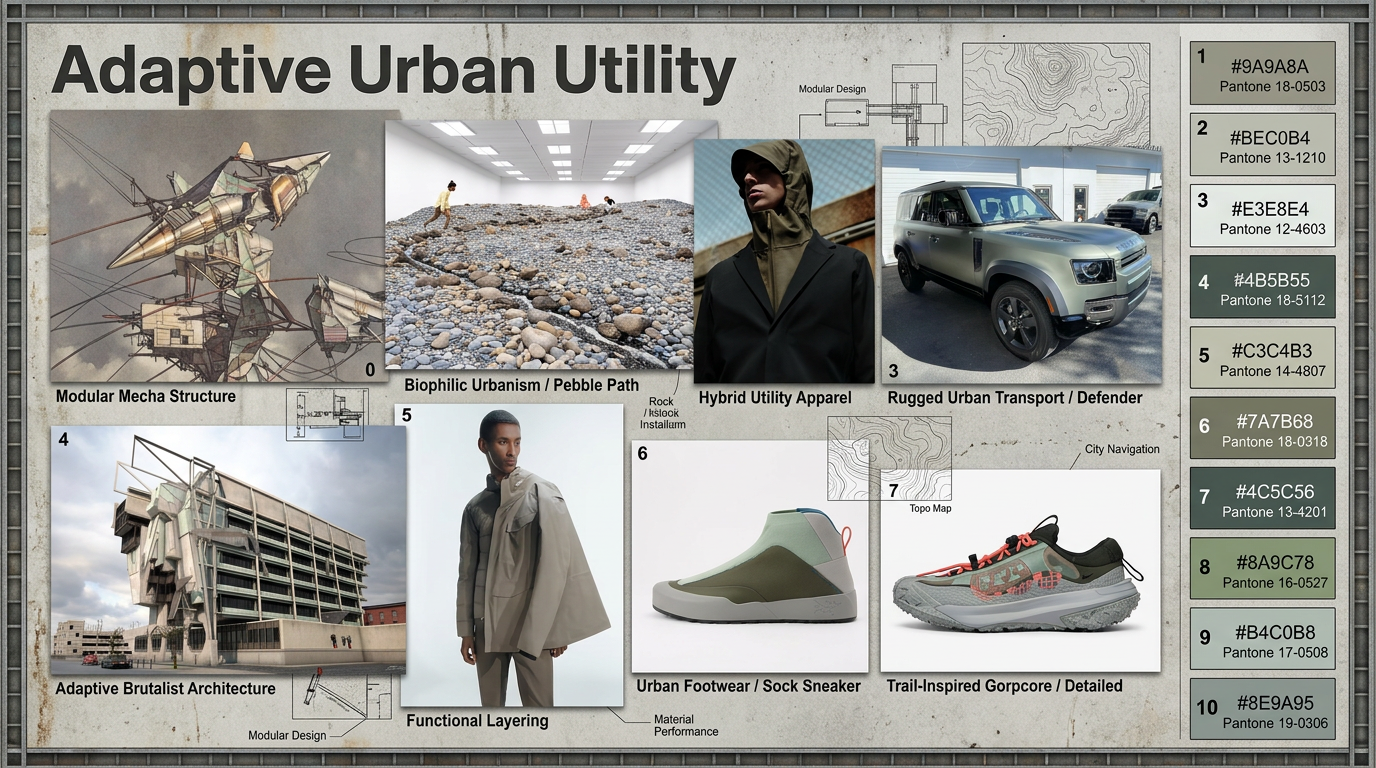
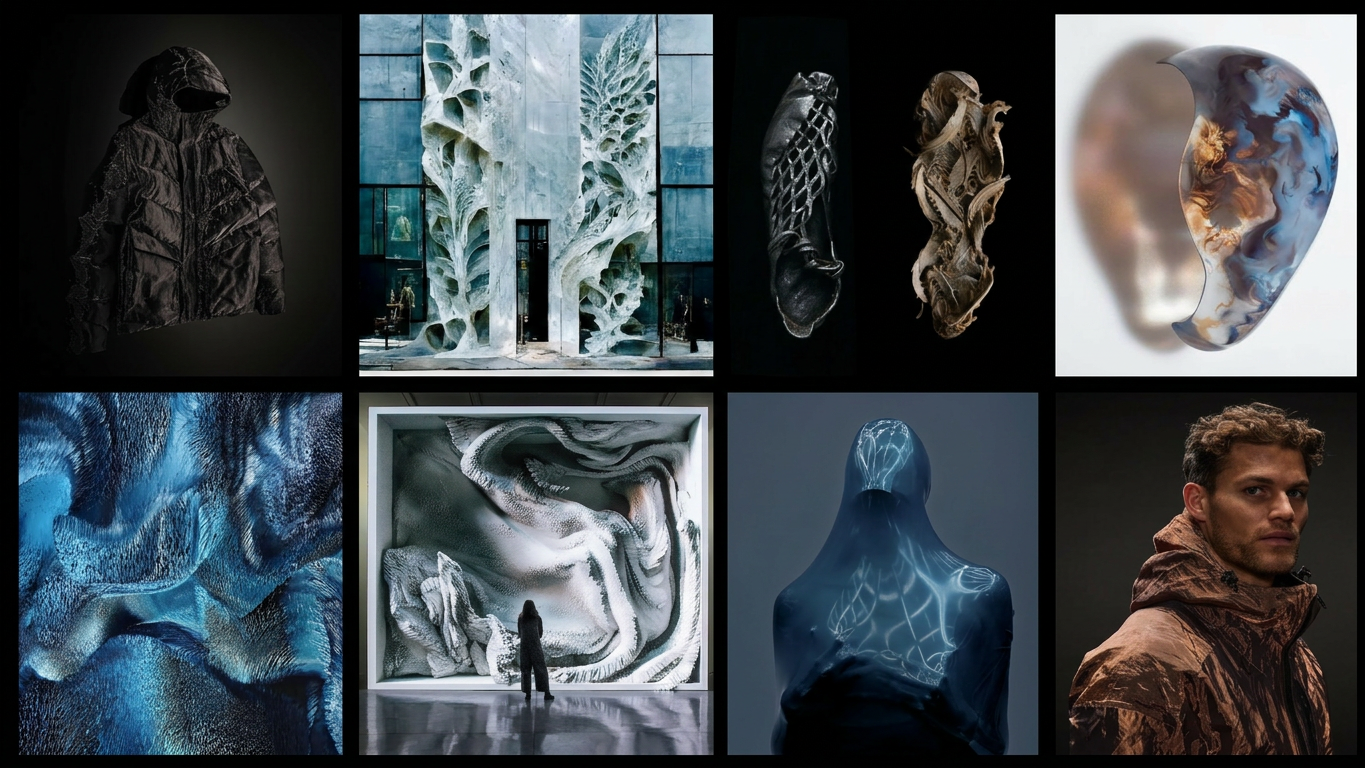
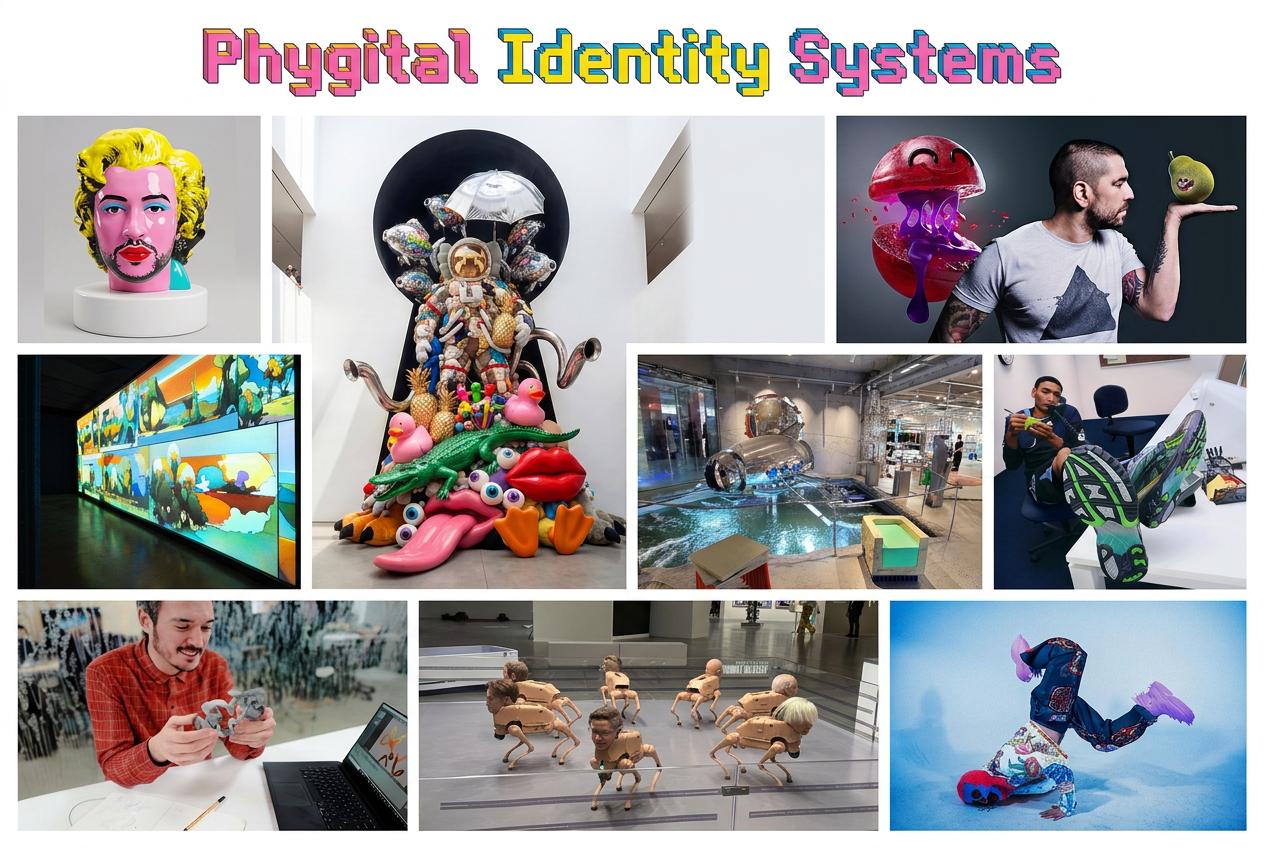
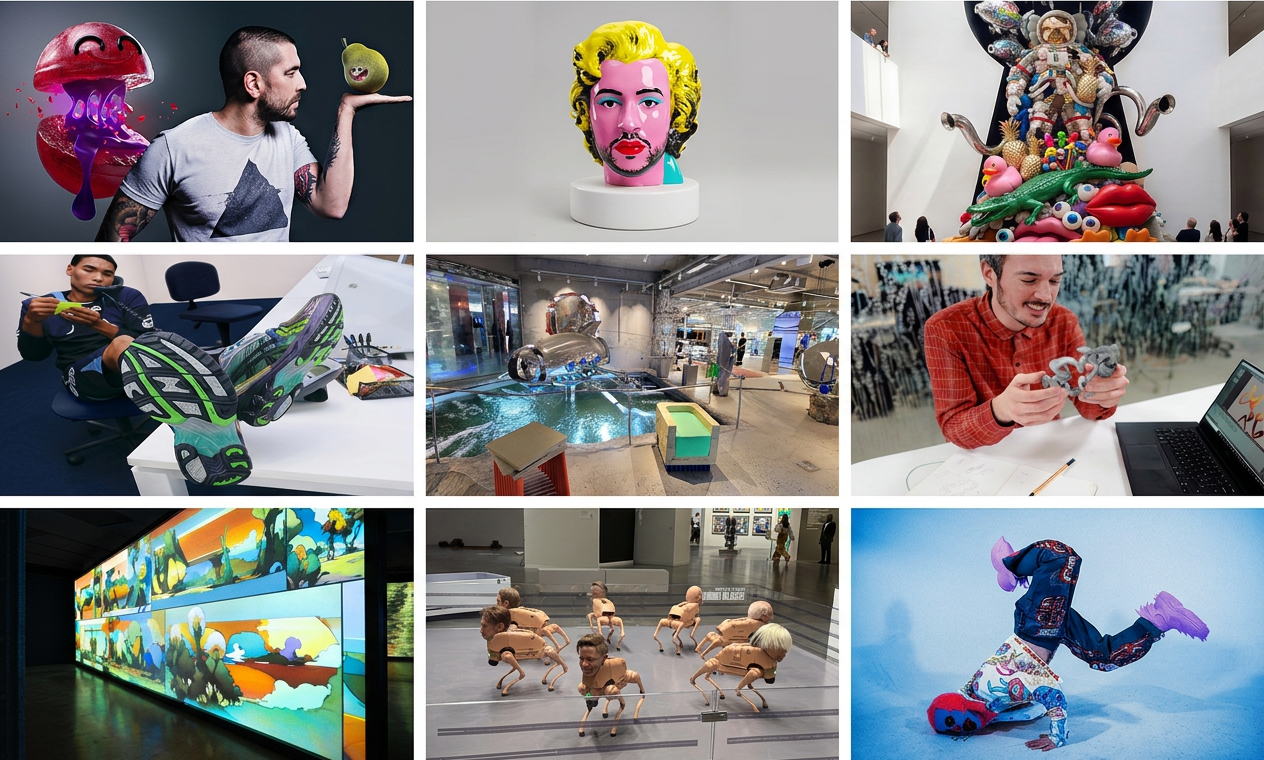
From there we used ai to generate a trend report from all this information, focused on the men´s barefoot shoe market, and help us find inspiring sources for visuals, suggesting both up and coming, as well as established artists and designers that match with the trend stories. We also used ai to gather the images.
Then we used other ai applications to generate mood boards and color palettes from these visuals, playing with different layouts and styles.

Examples class 3 - market research
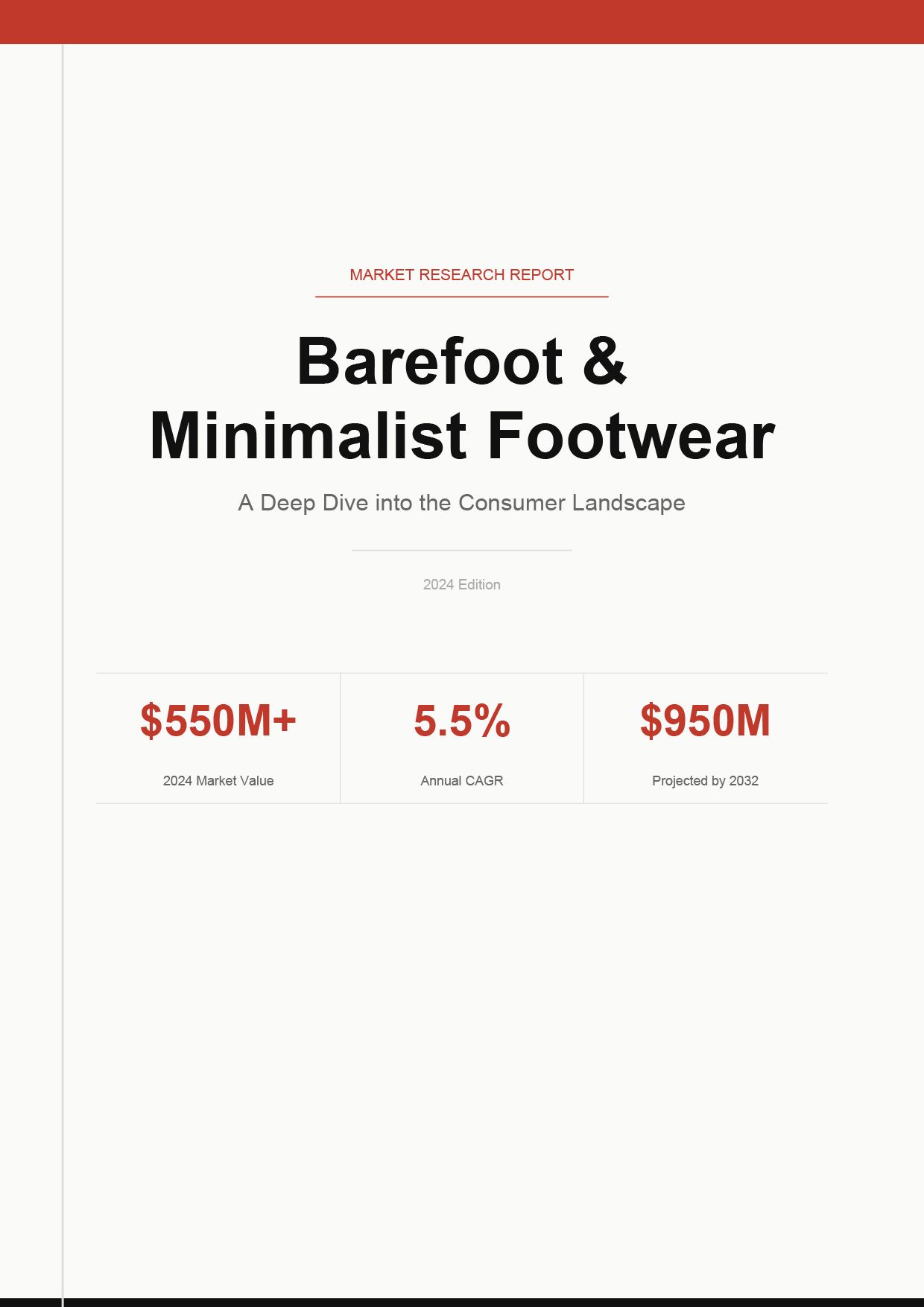
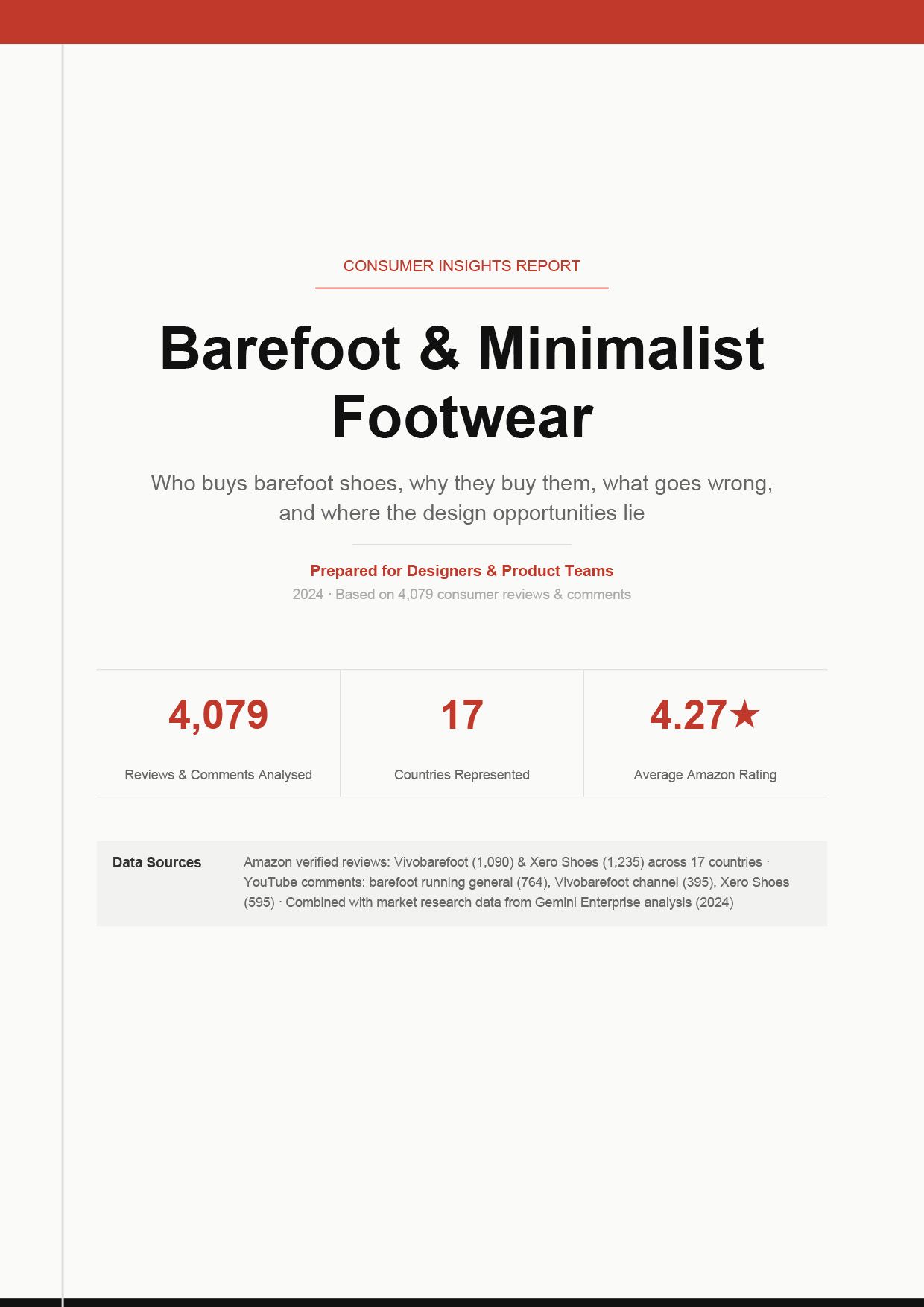
First we used ai to gather as much market information as possible through available online sources and compile it into a comprehensive report.
Then we let ai help us build an api to scrape data from various types of media, such as comments on Youtube and reviews on Amazon. We then had ai combine this information with the market info we already made to create a report aimed at designers, explaining the main design opportunities in the barefoot shoe market for men.
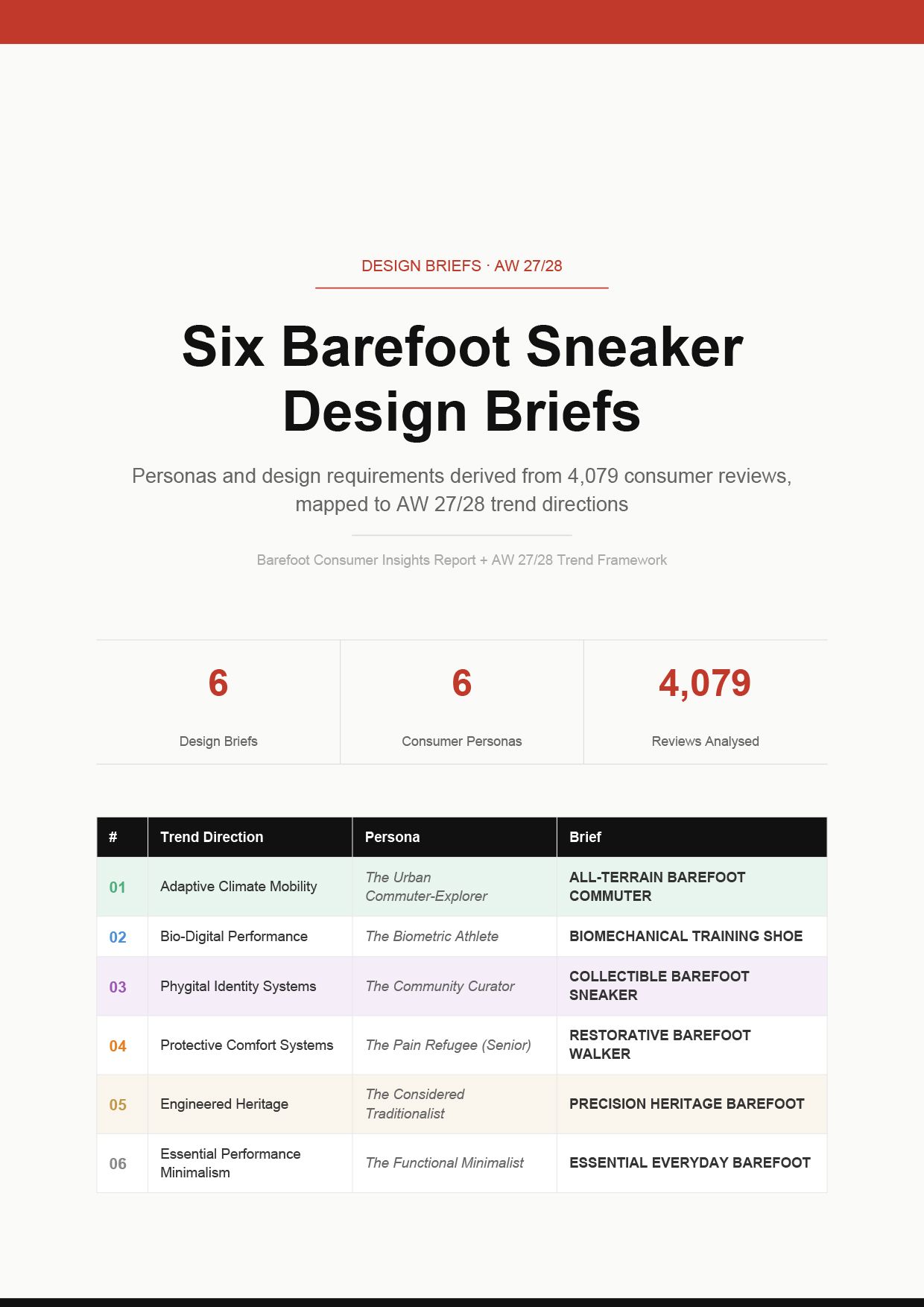
Then ai generated 6 consumer profiles and matching design briefs combining the design insights with the forecasting we did in class 2.

Examples class 4 - design exploration
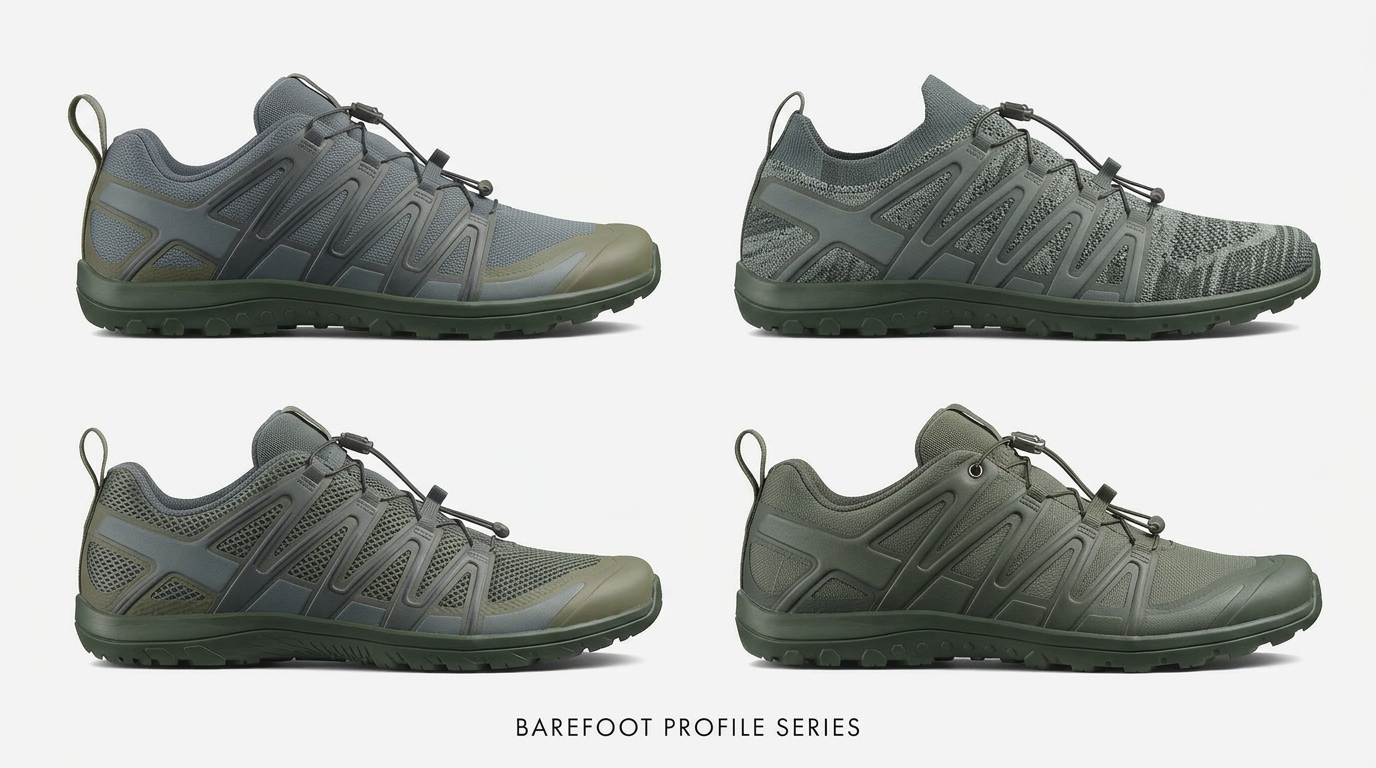
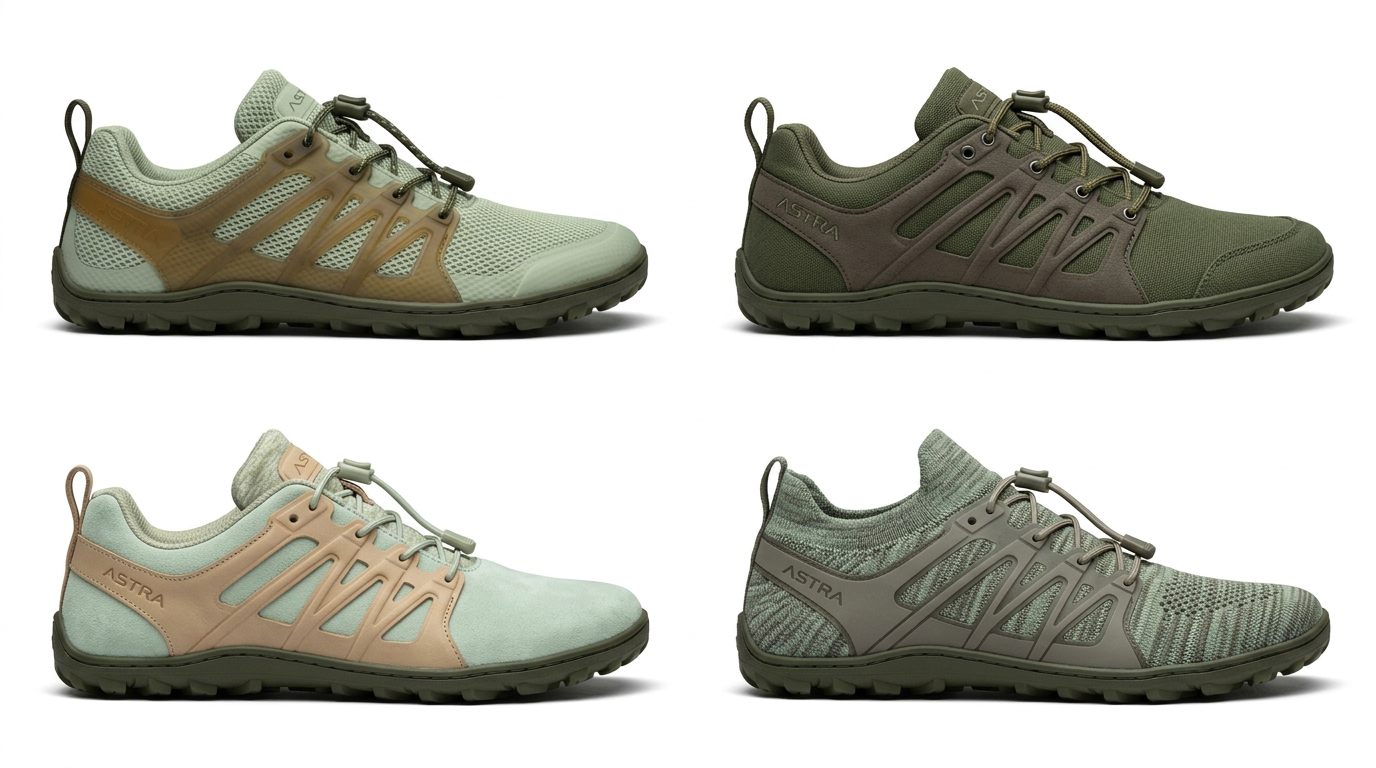
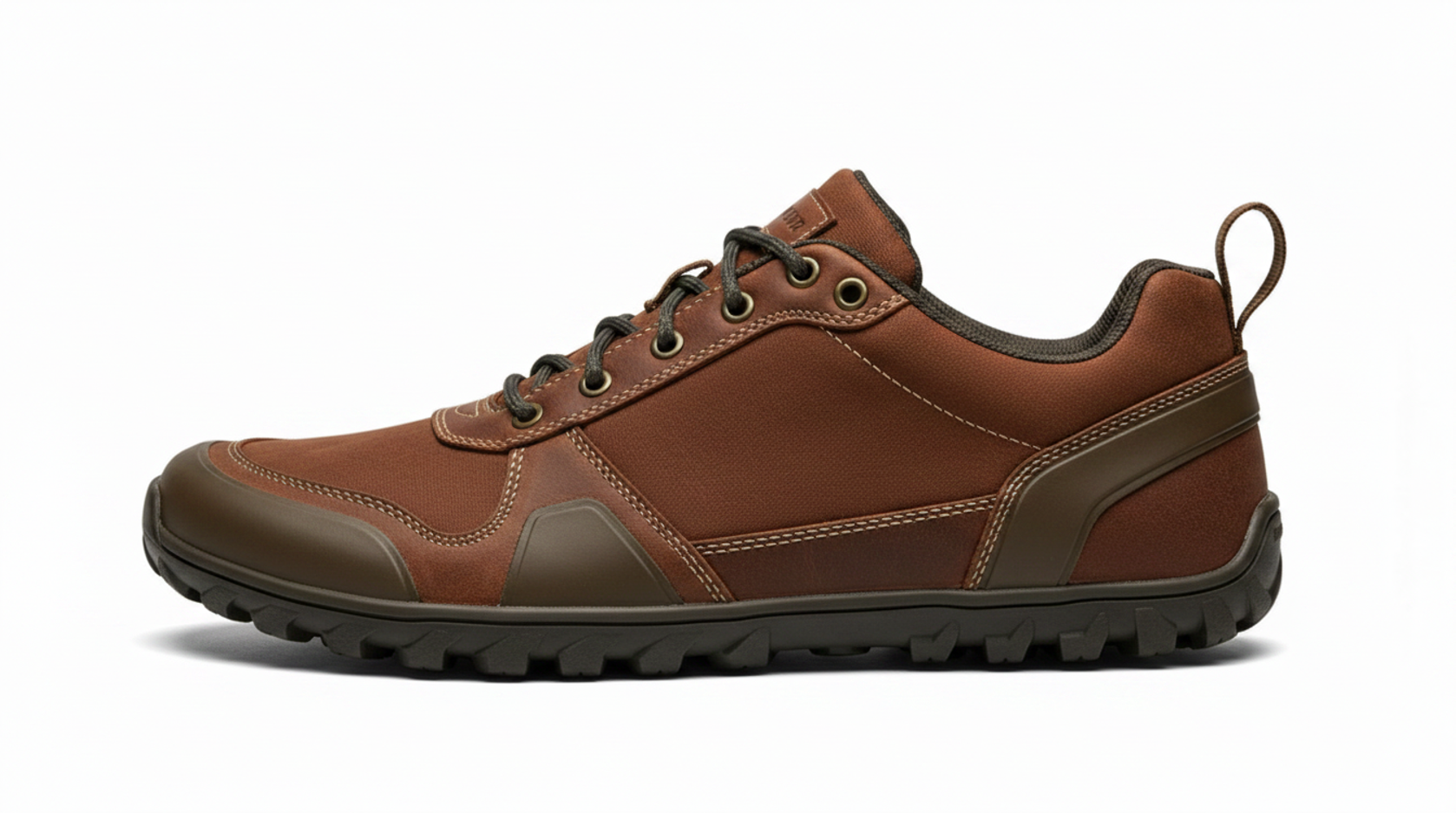
With the help of ai we made prompts for image generation, based upon the trend and market research and the design briefs. 
We then ran these prompts in different ai applications and decided on a final direction.
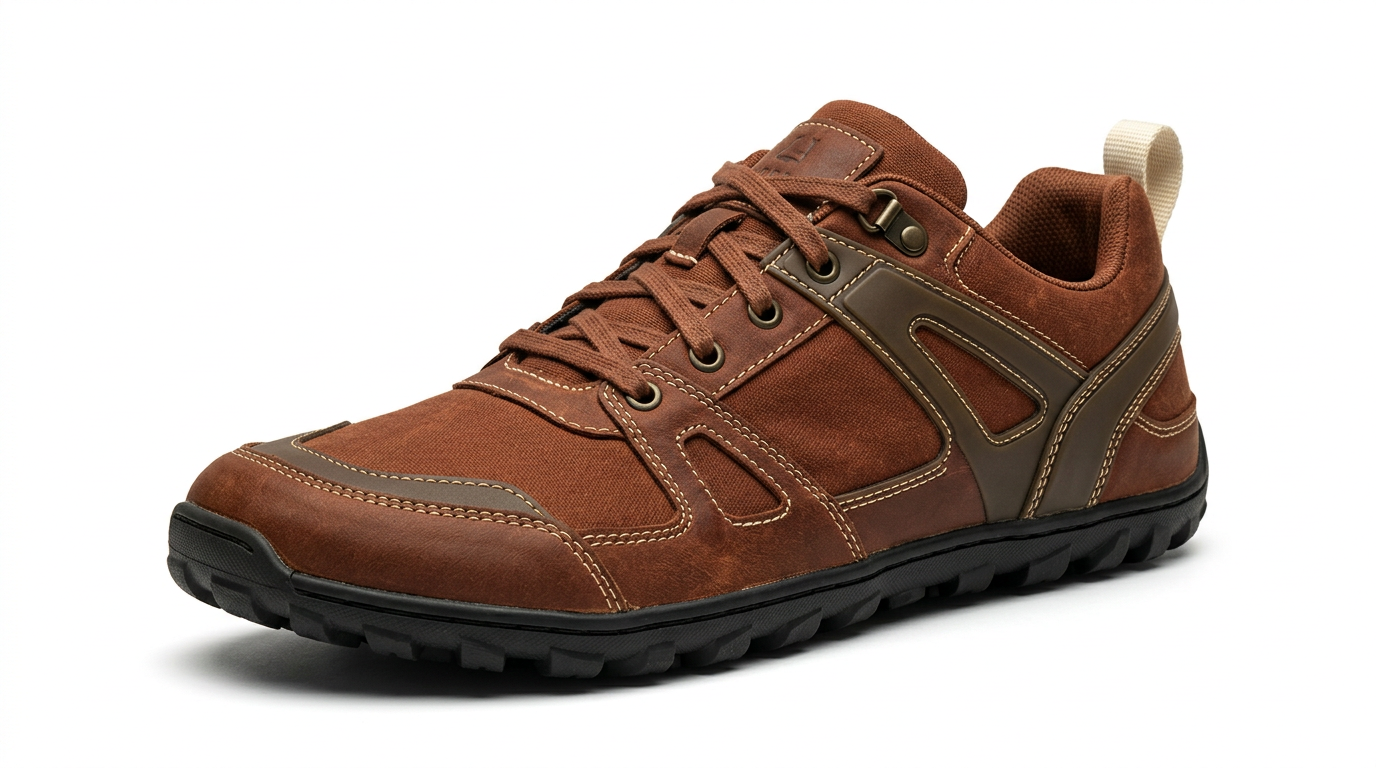
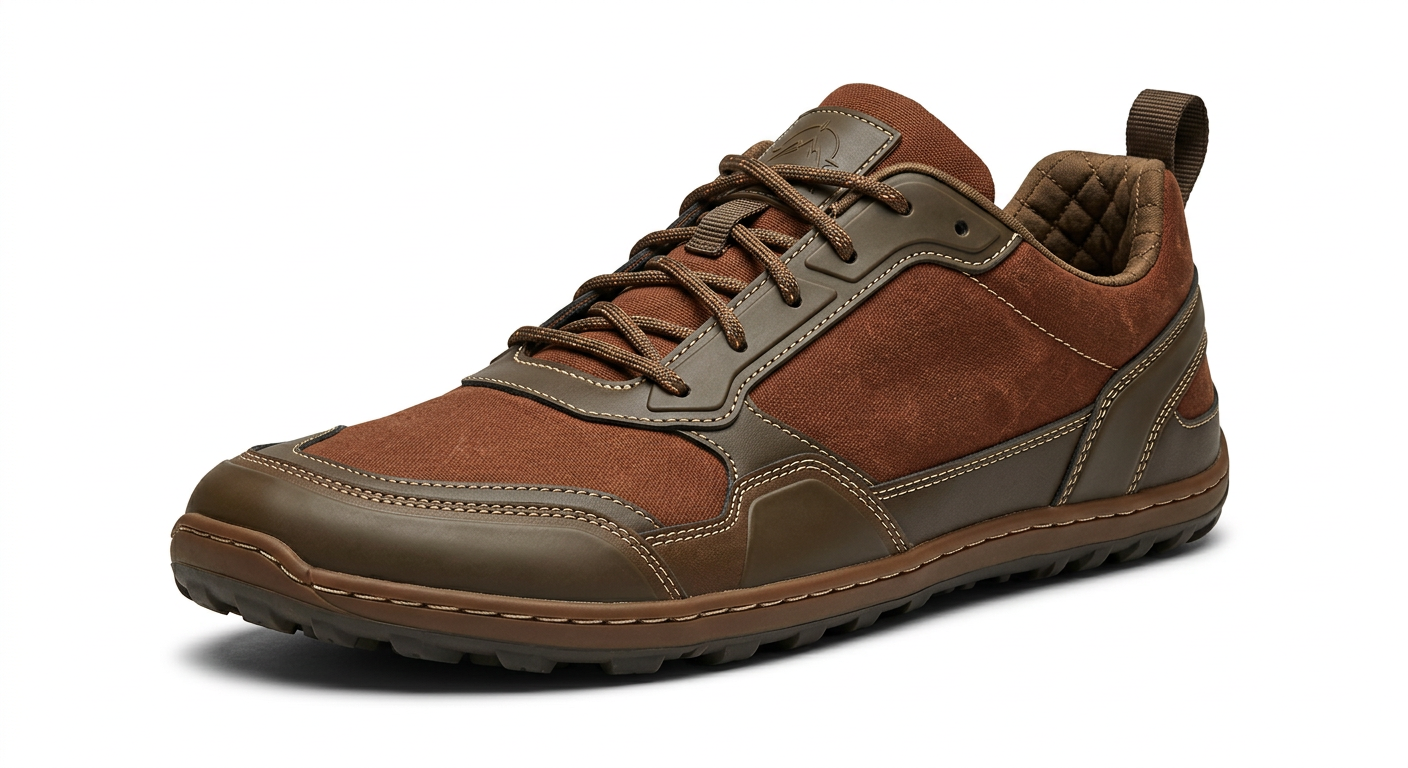
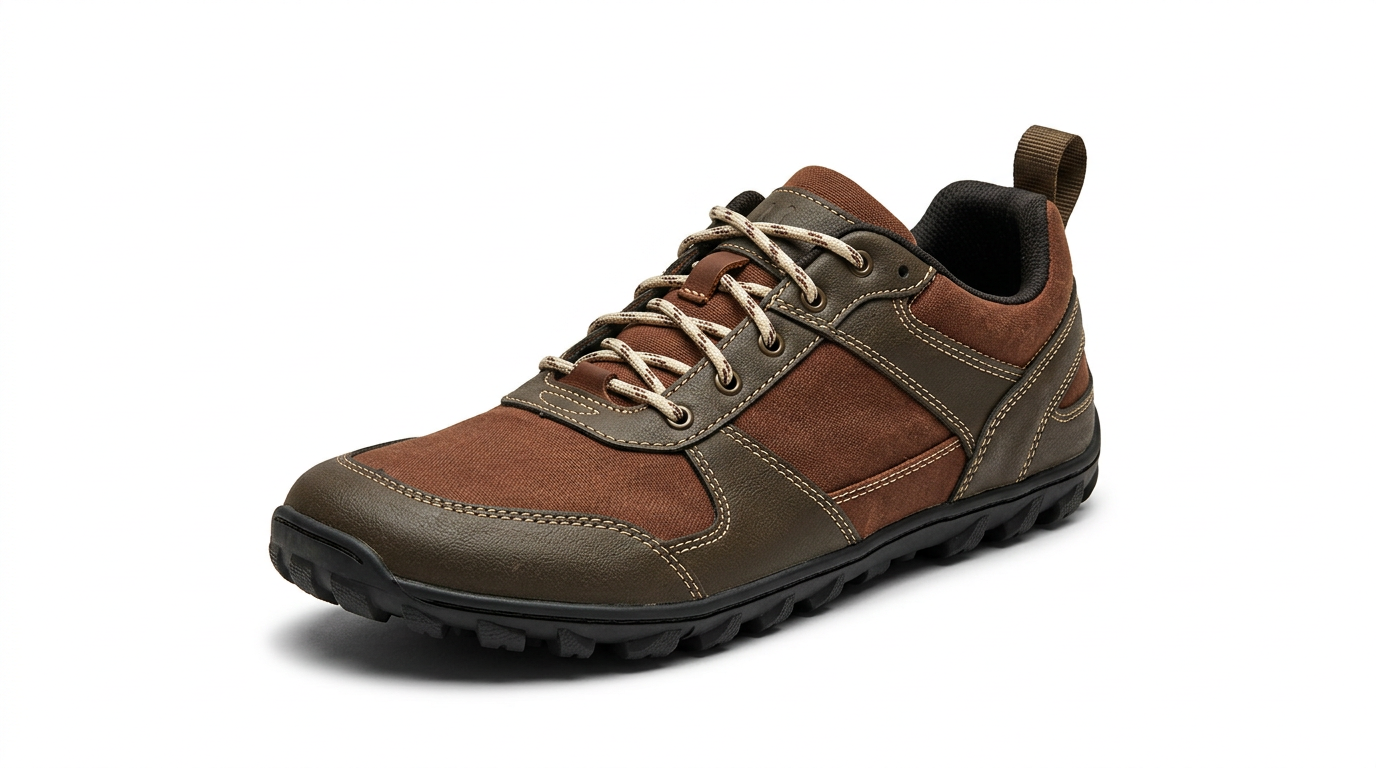
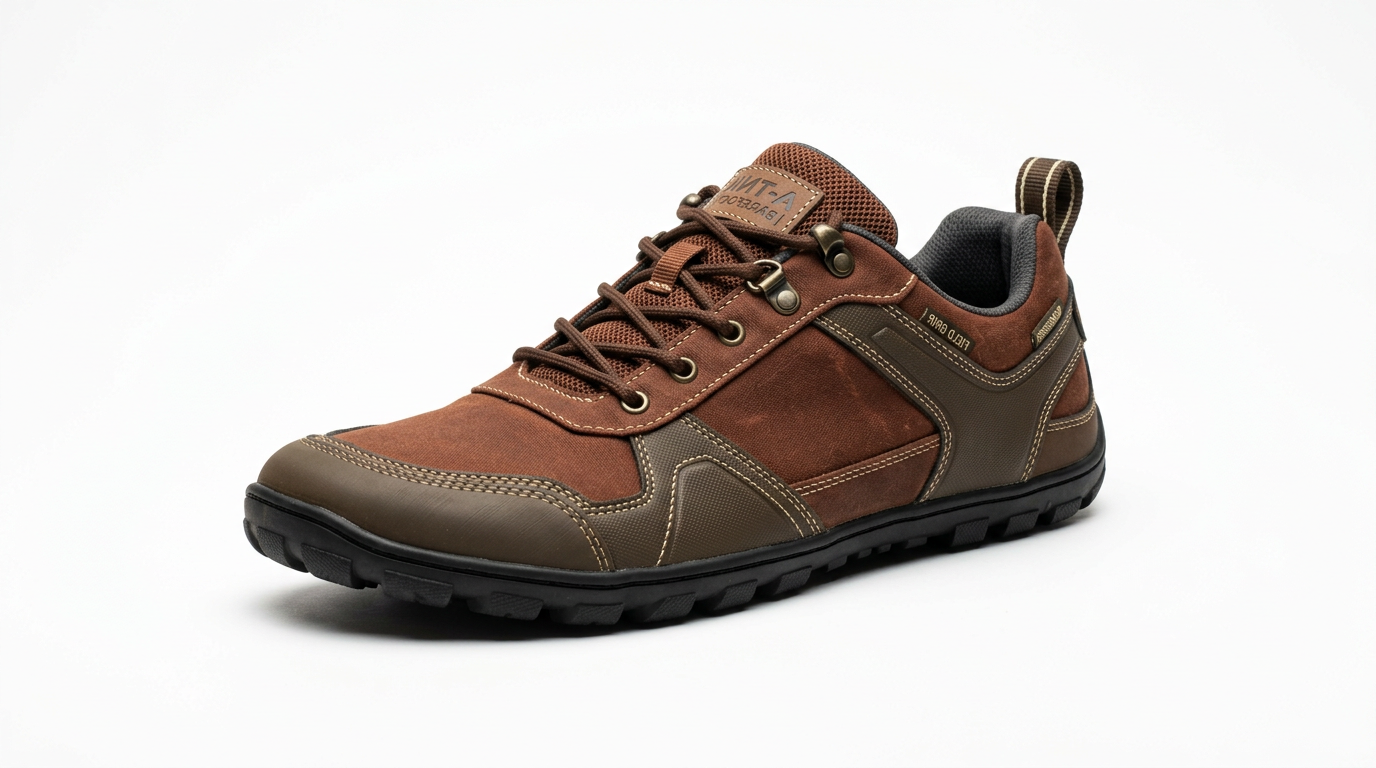
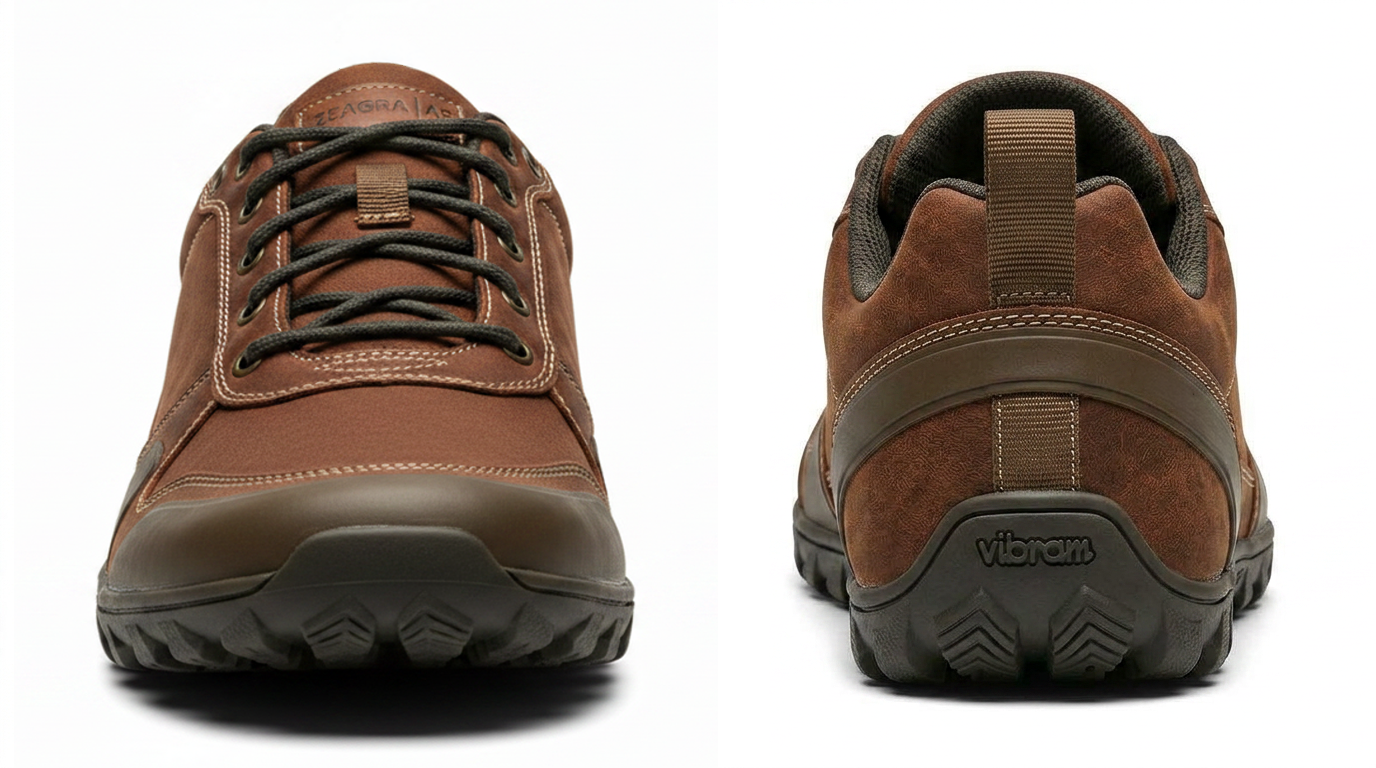
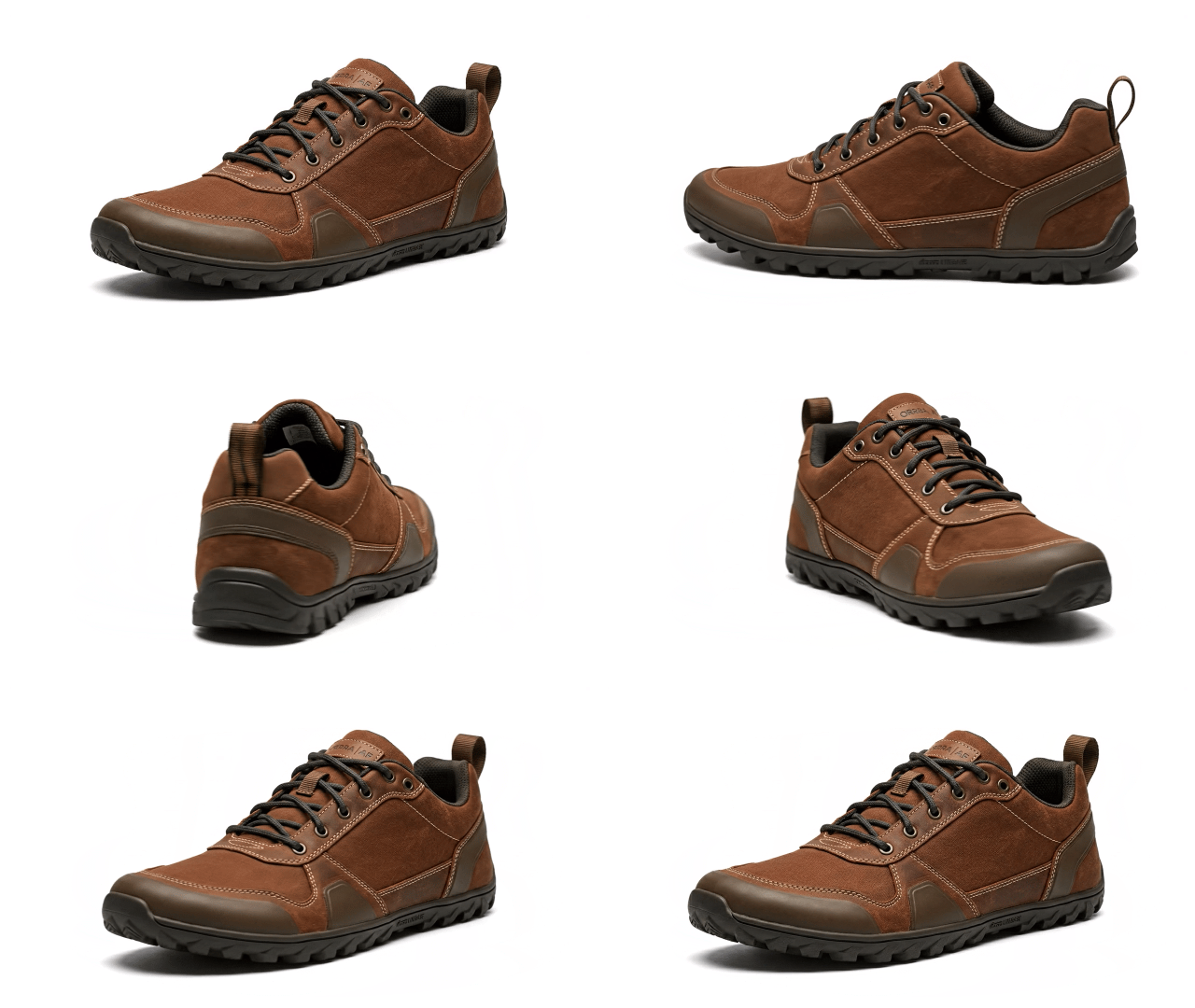
Once we had this we generated that design from all sides, including a full 360 degree spin.

Examples class 5 - design series,  tooling and tech packs
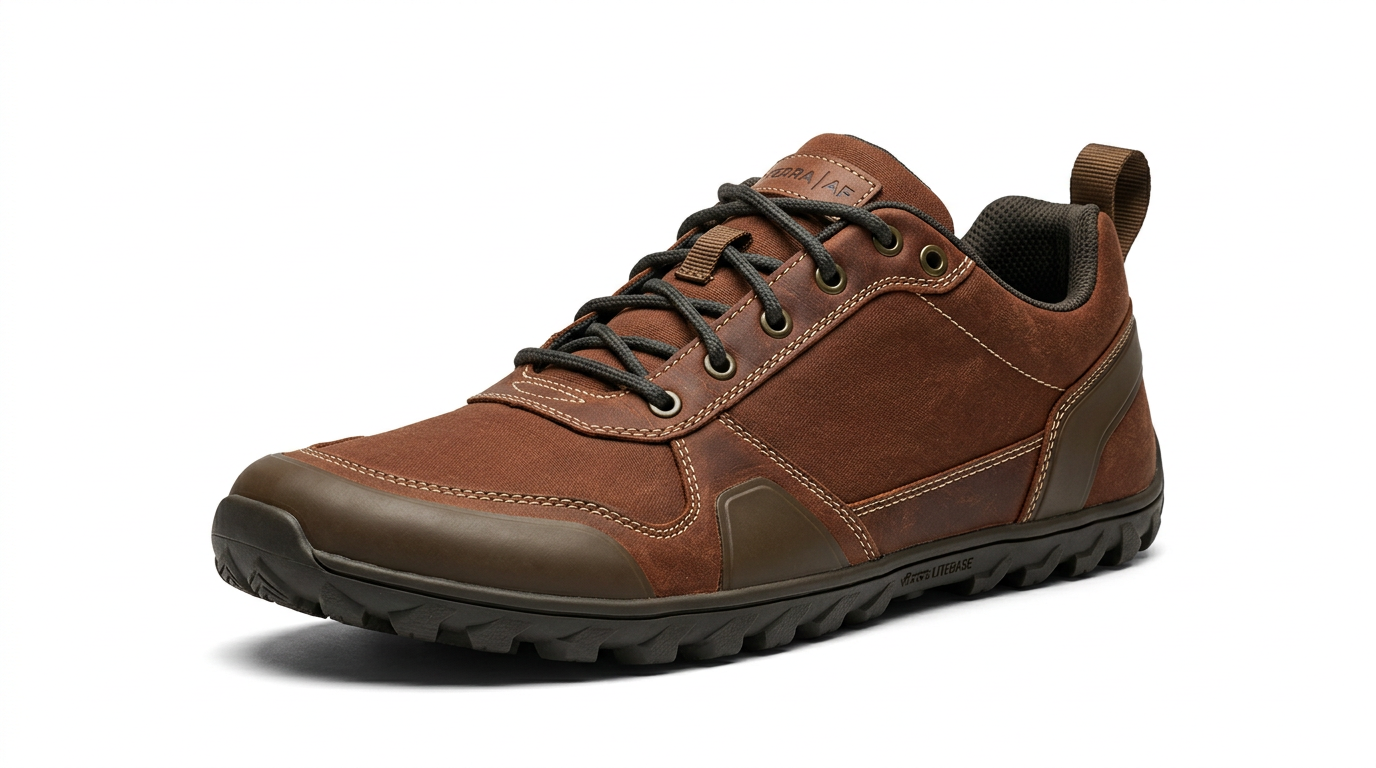
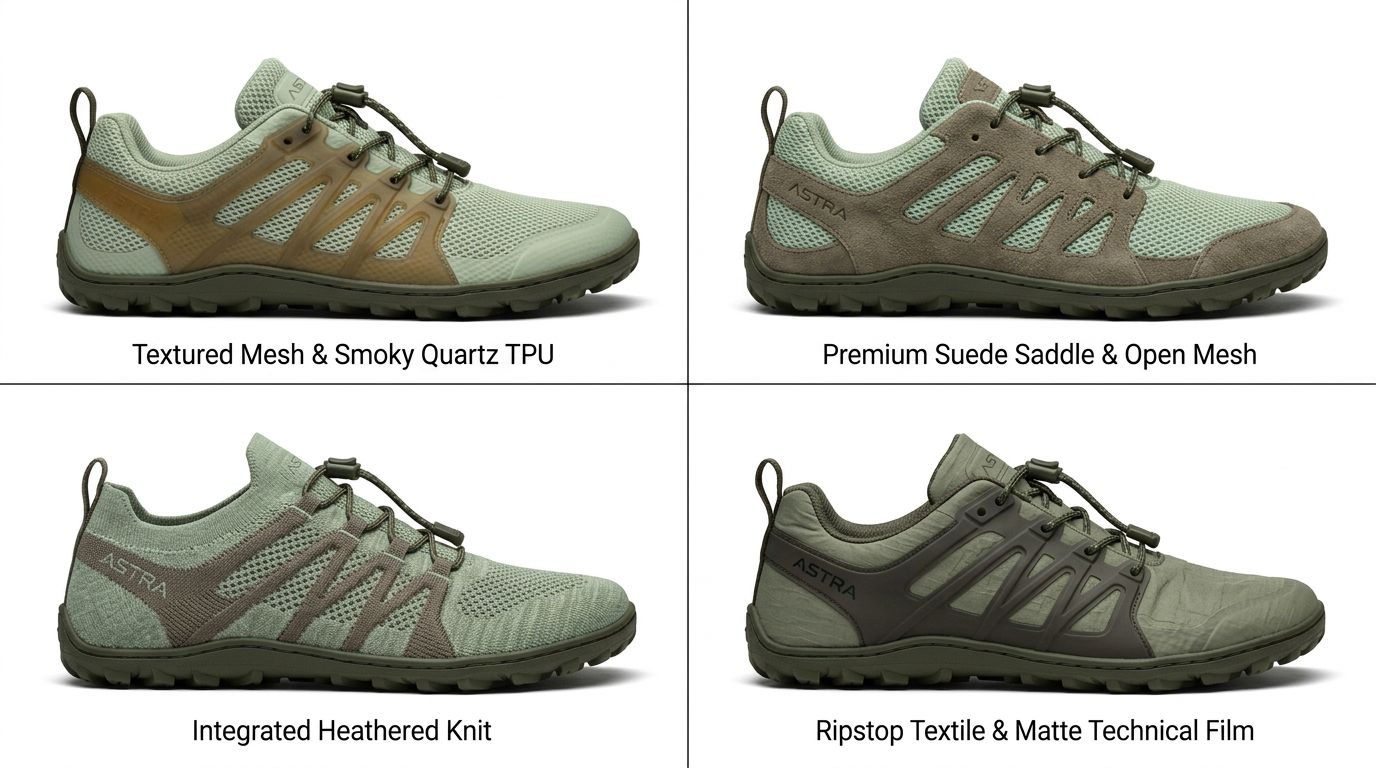
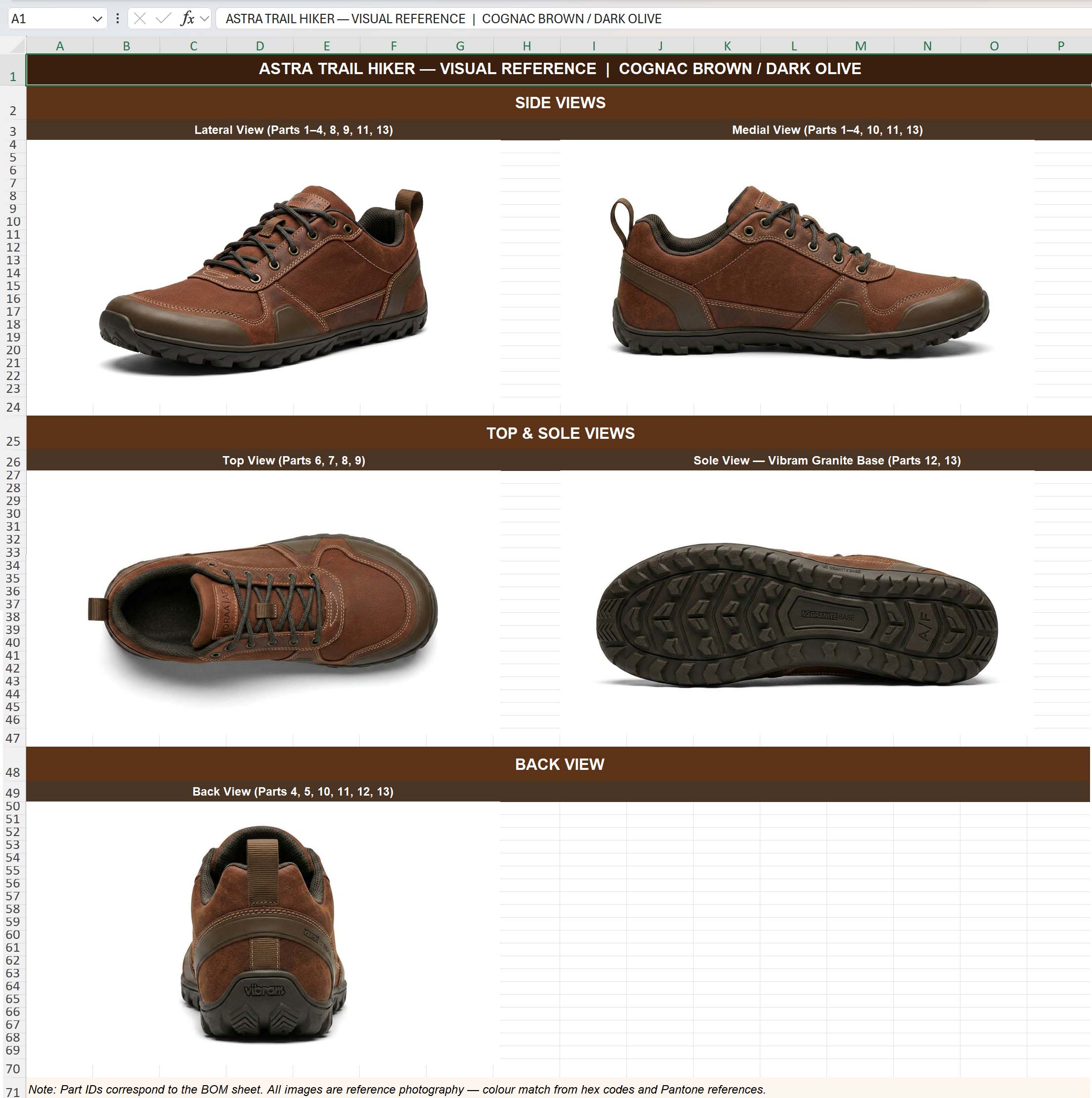
In class 5 we created an ai workflow that allows for making color and material combinations according to an exact pre-defined format. For this workflow you can use actual Pantone color numbers and material swatches from your suppliers, so these are all realistic renditions that can be manufactured.
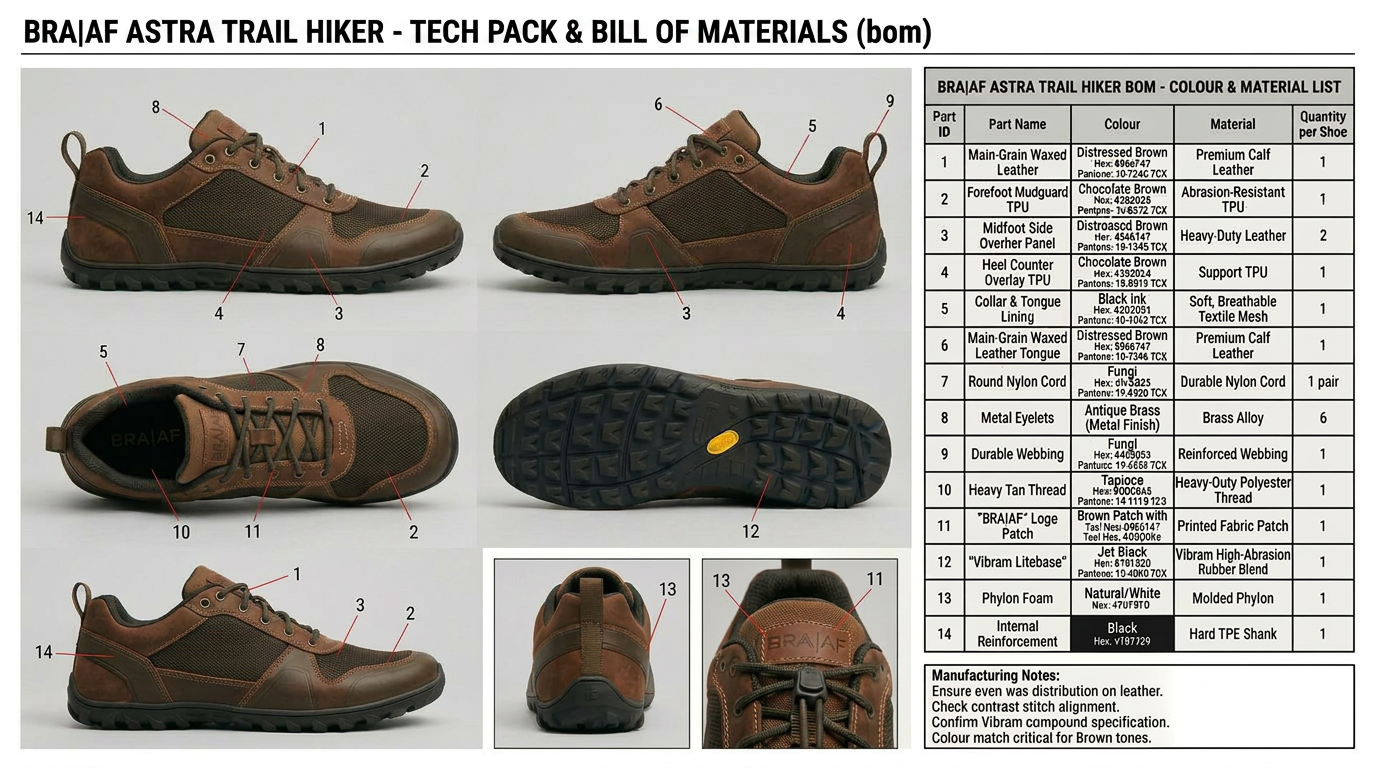
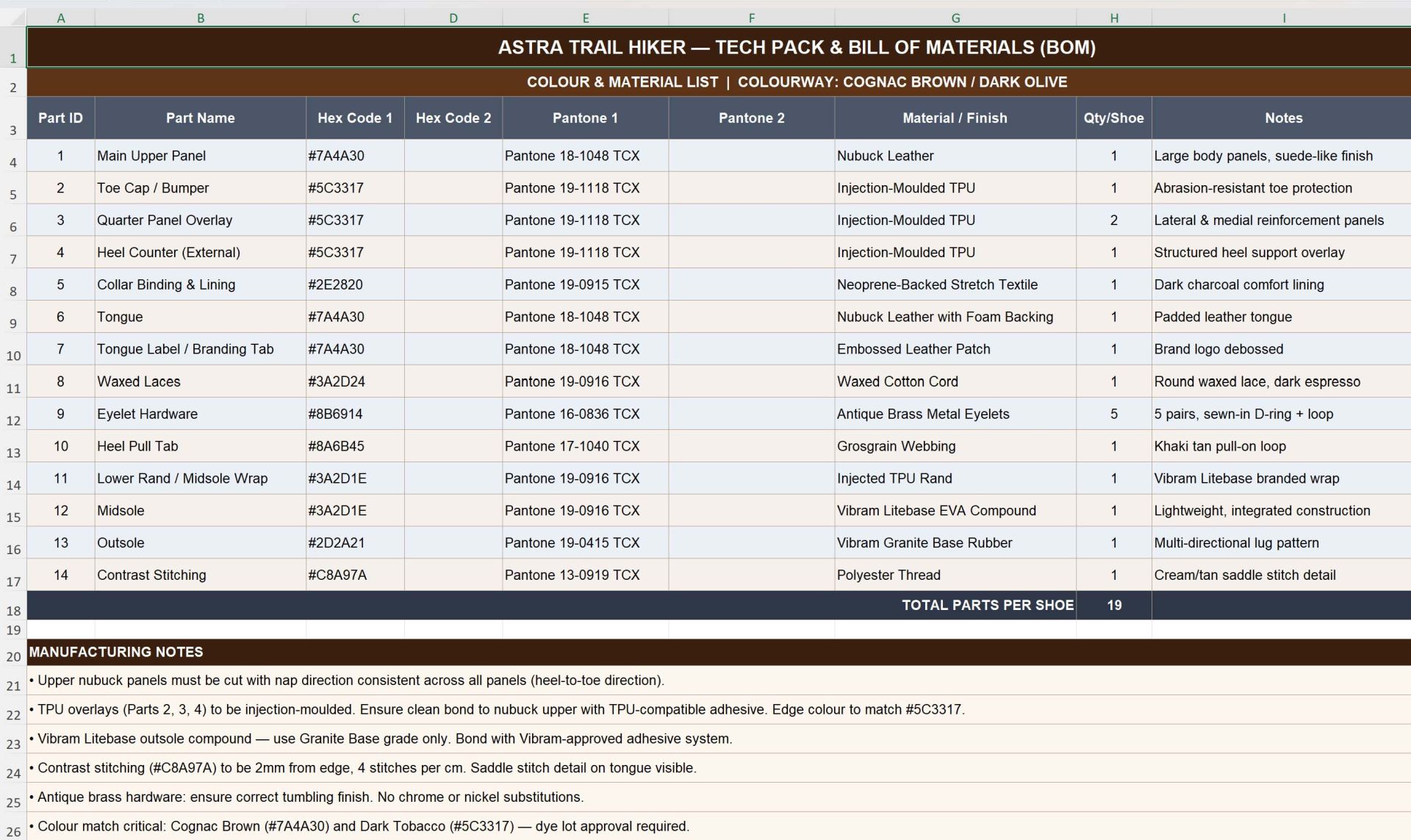
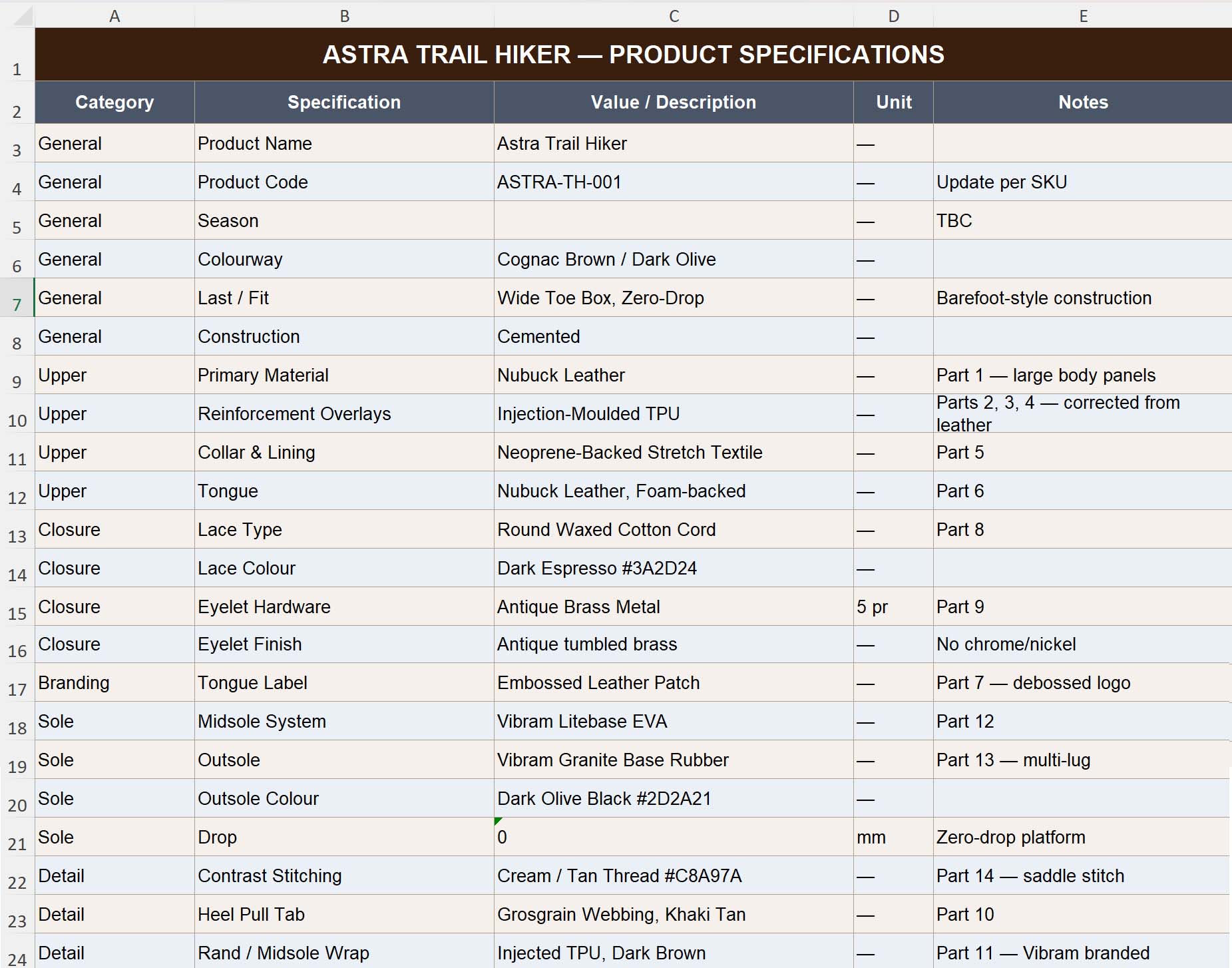
We also used ai to create full tech packs, both as visuals for presentations and as accurate editable excel files that adjust the content automatically to each new shoe design, saving a lot of time and preventing errors.
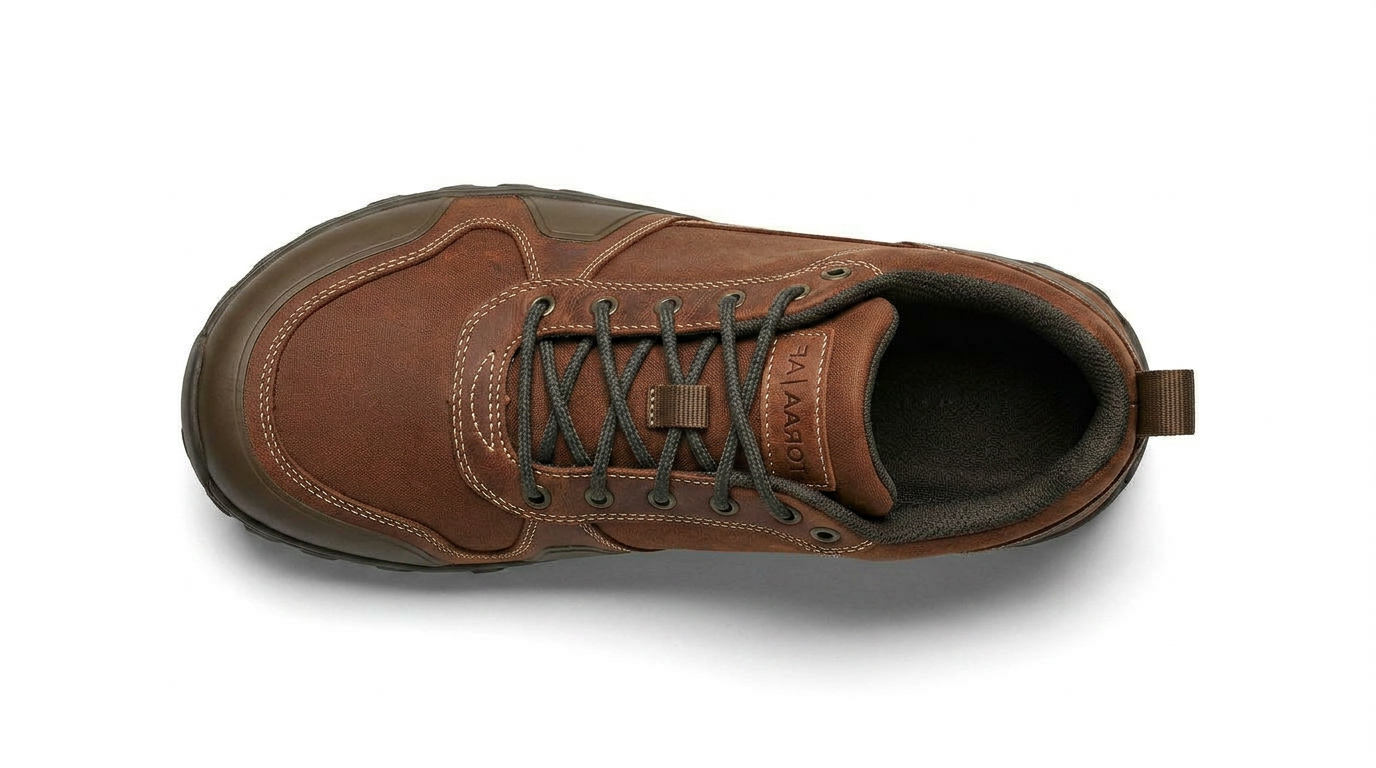
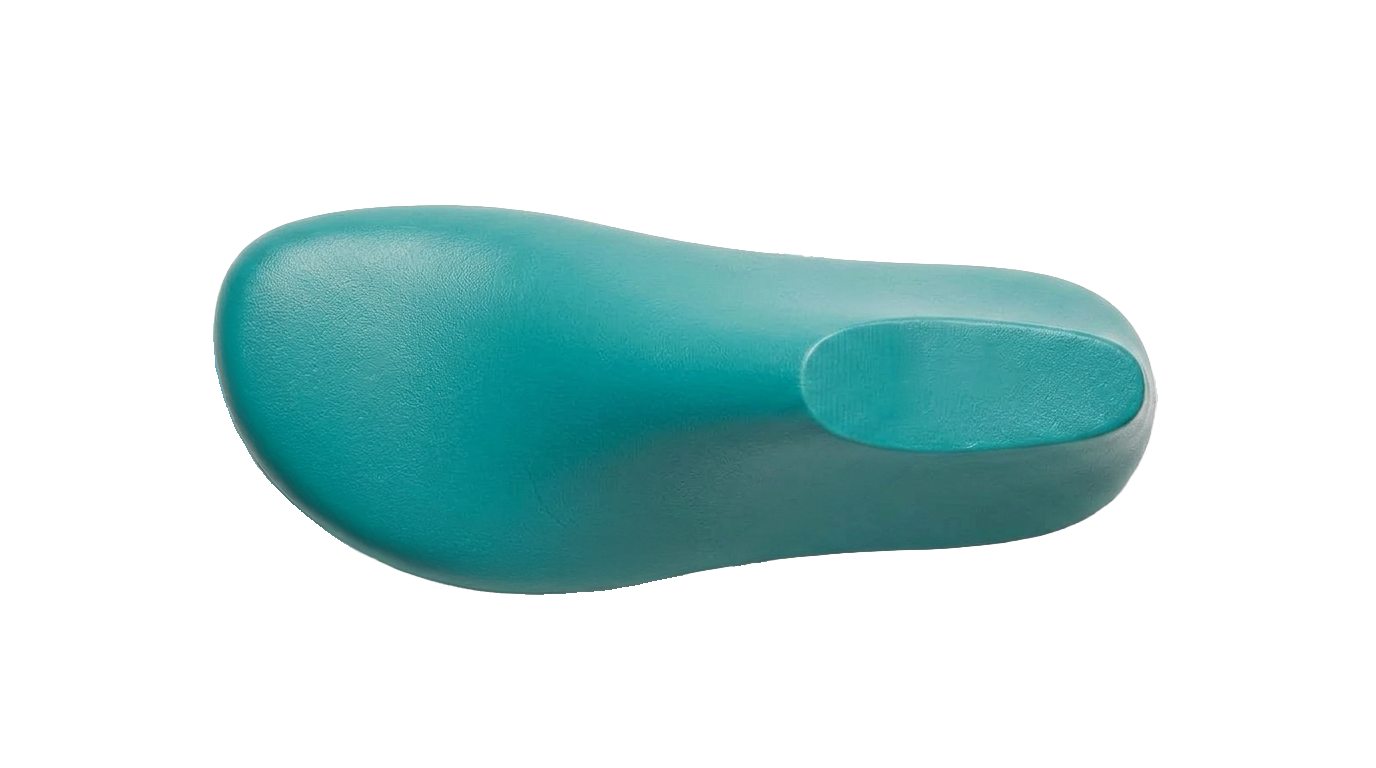
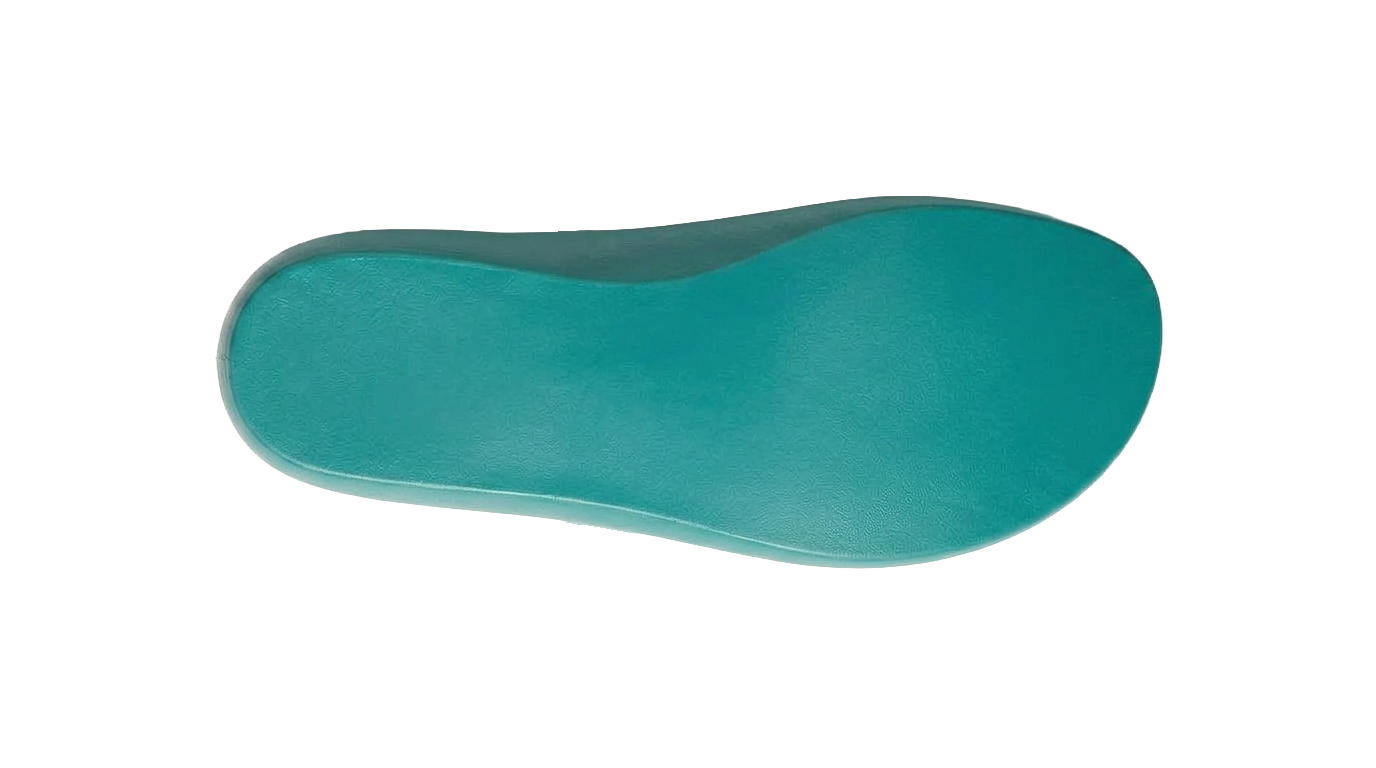
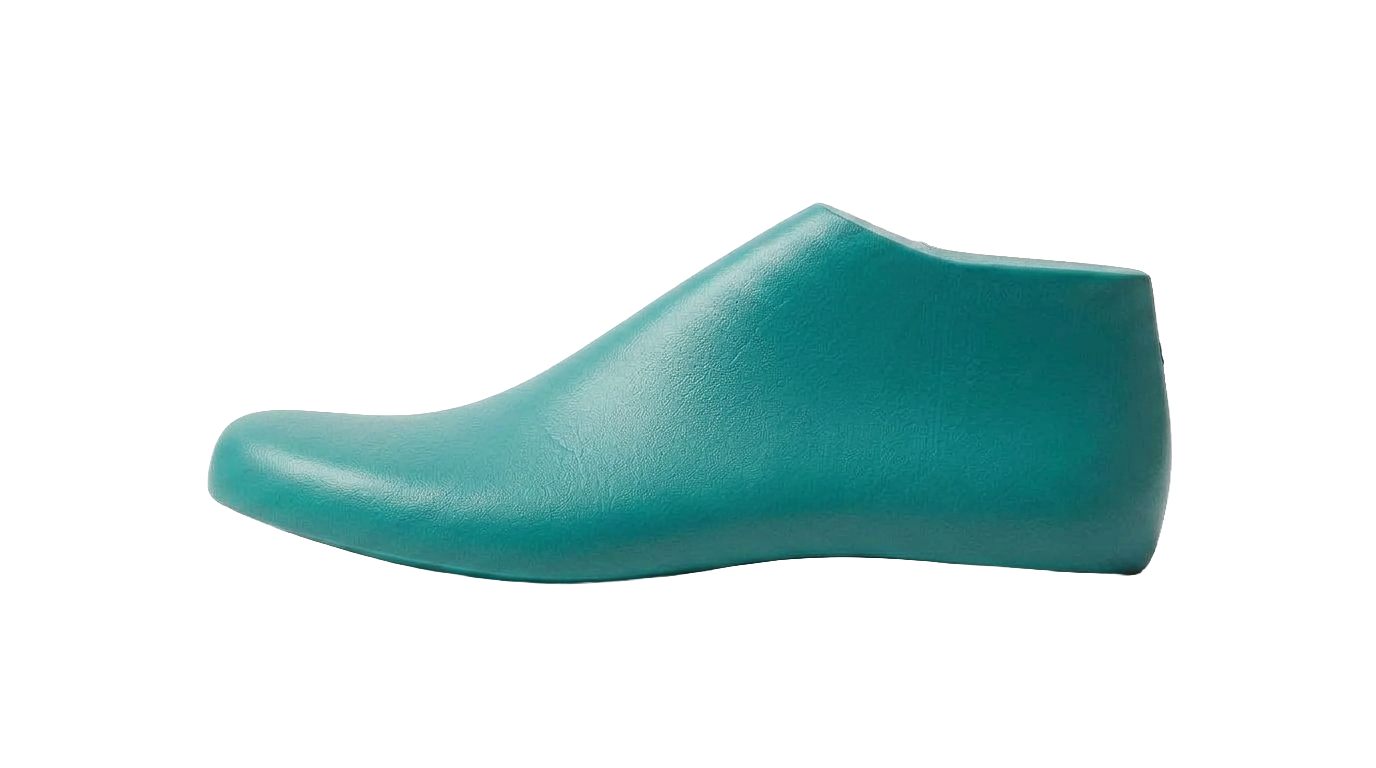
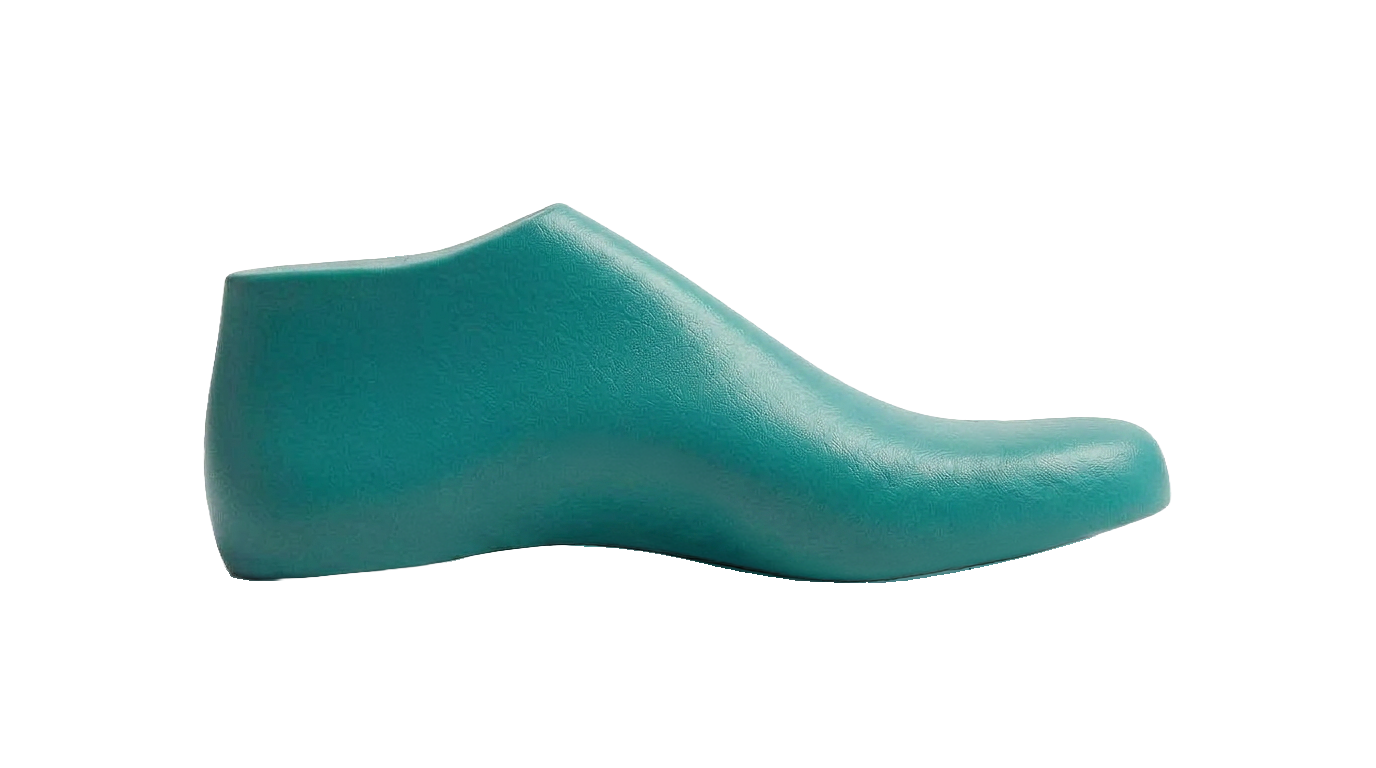
From the top view of the shoe we derived the last with ai and generated all sides of it. We will use these images later to create a wearable 3D model of the shoe.
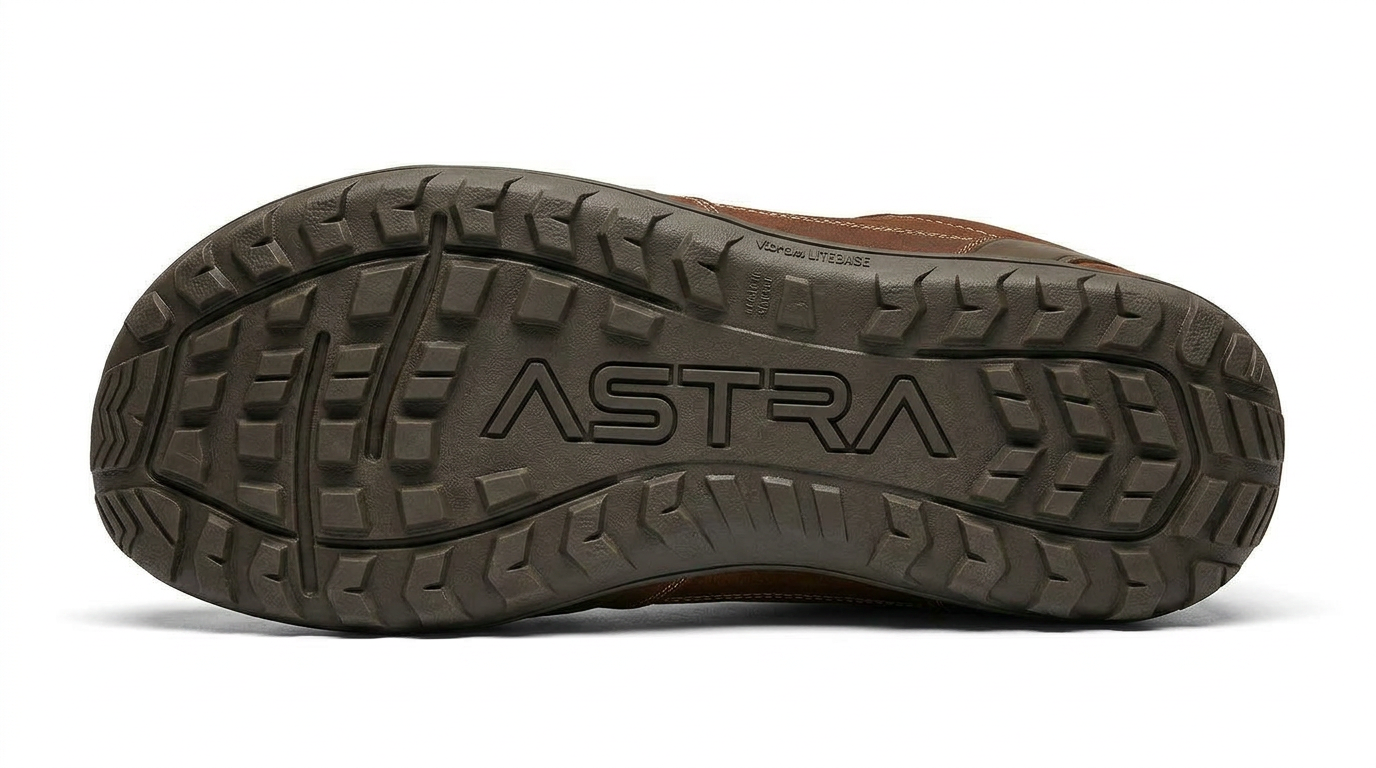
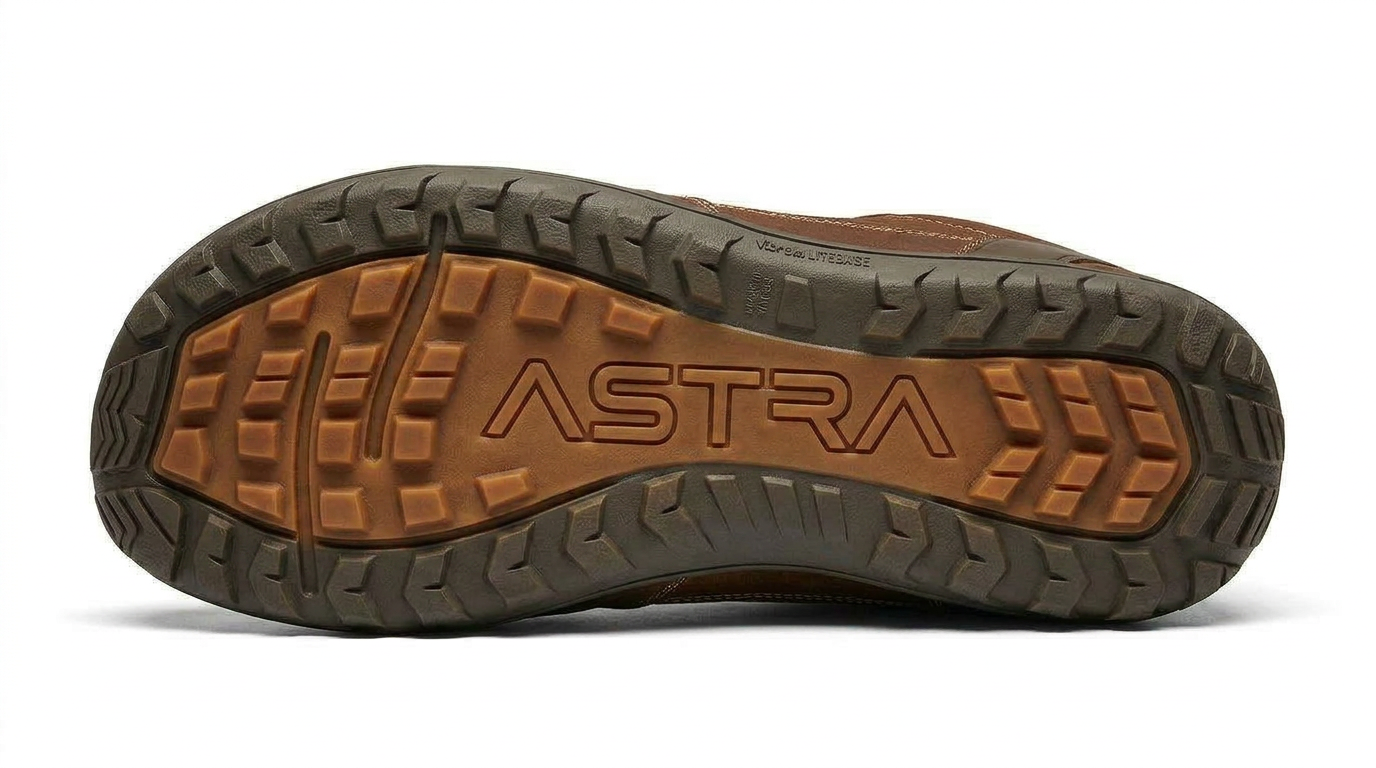
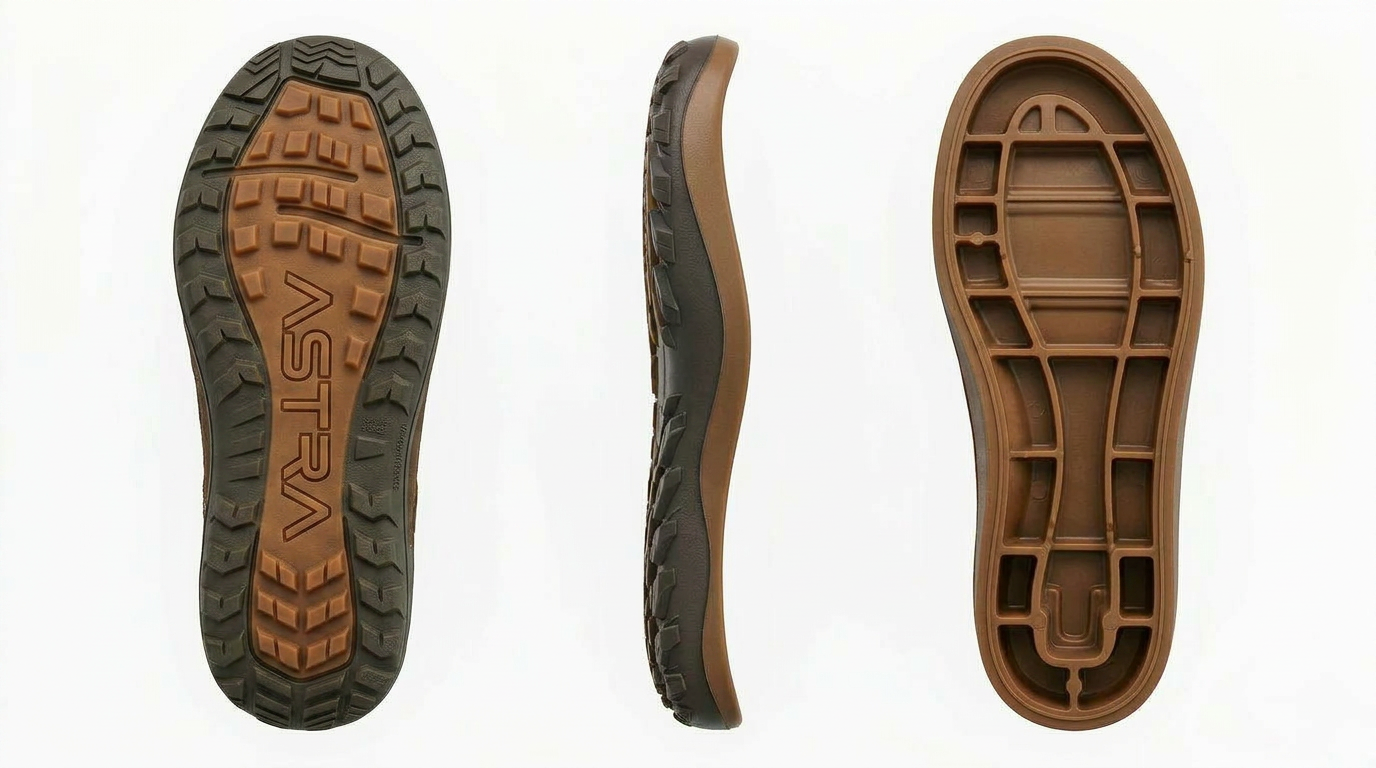
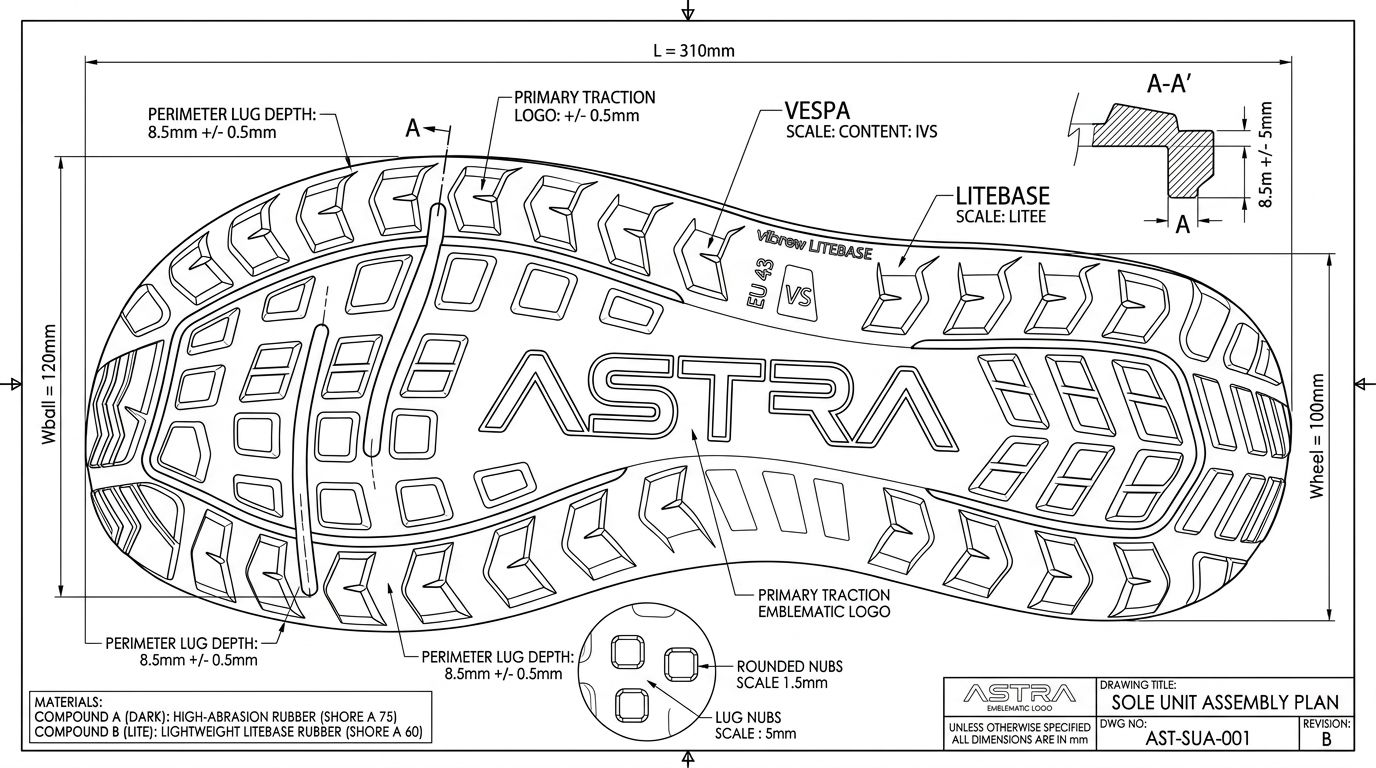
We also generated several sole renditions, a 3D view of the sole and a technical blueprint. The sole can be adjusted to the last shape later. Ai can do much more than most companies assume!

Examples class 6 - virtual try on, packaging, logo, 3D models and video

Write your awesome label here.
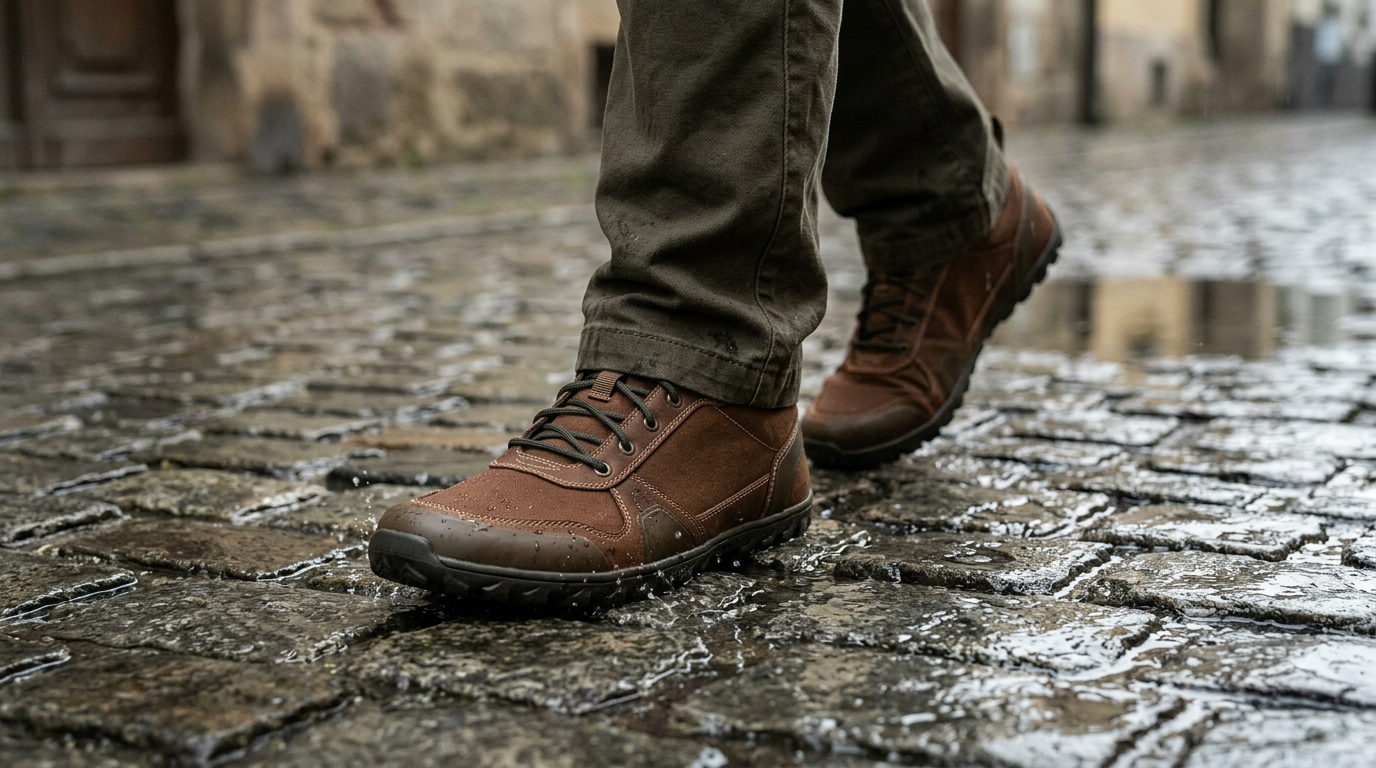
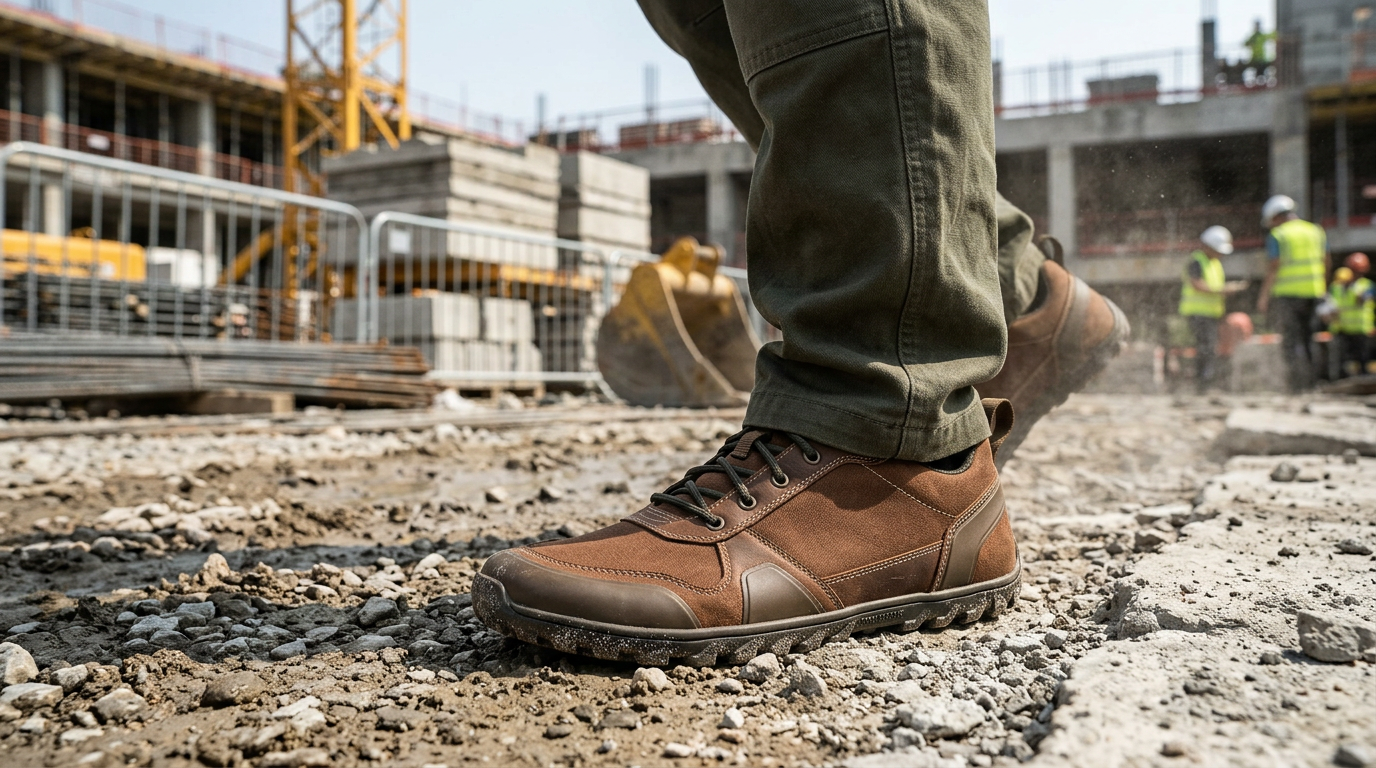
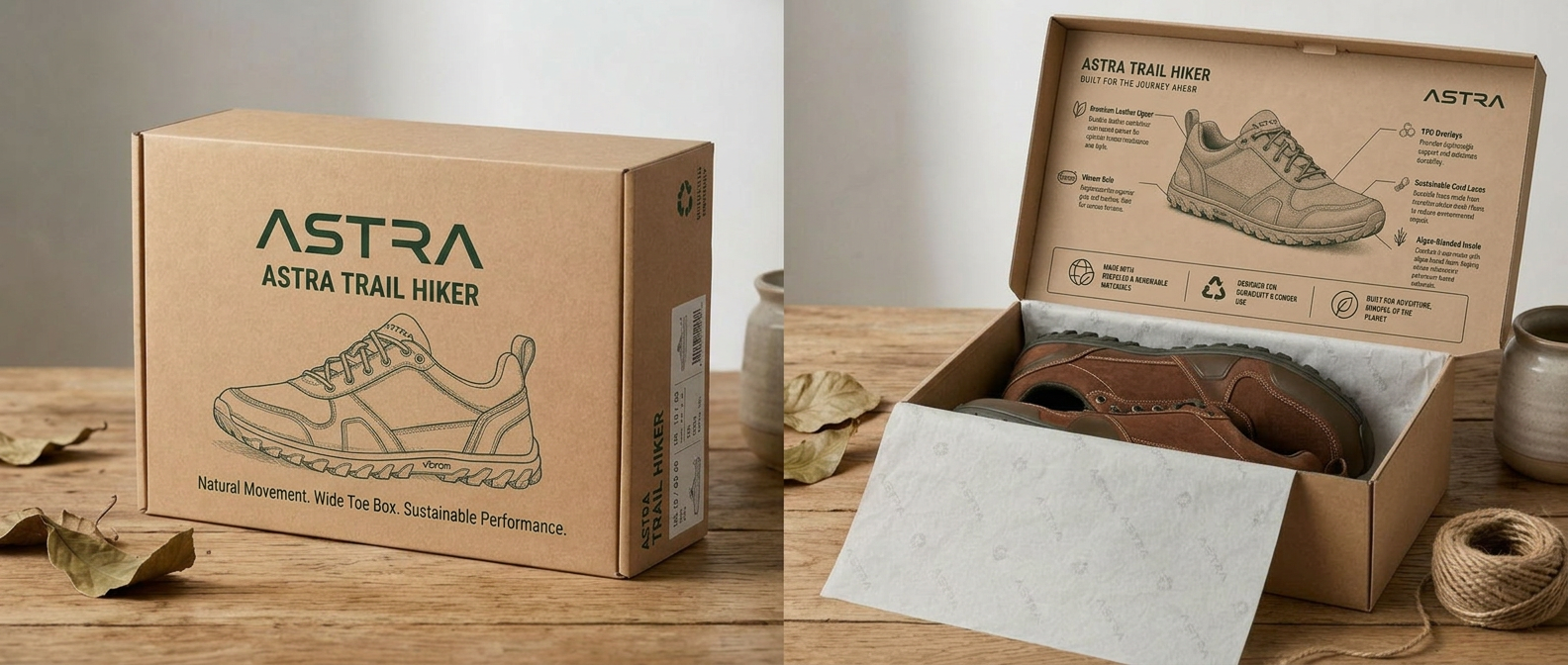
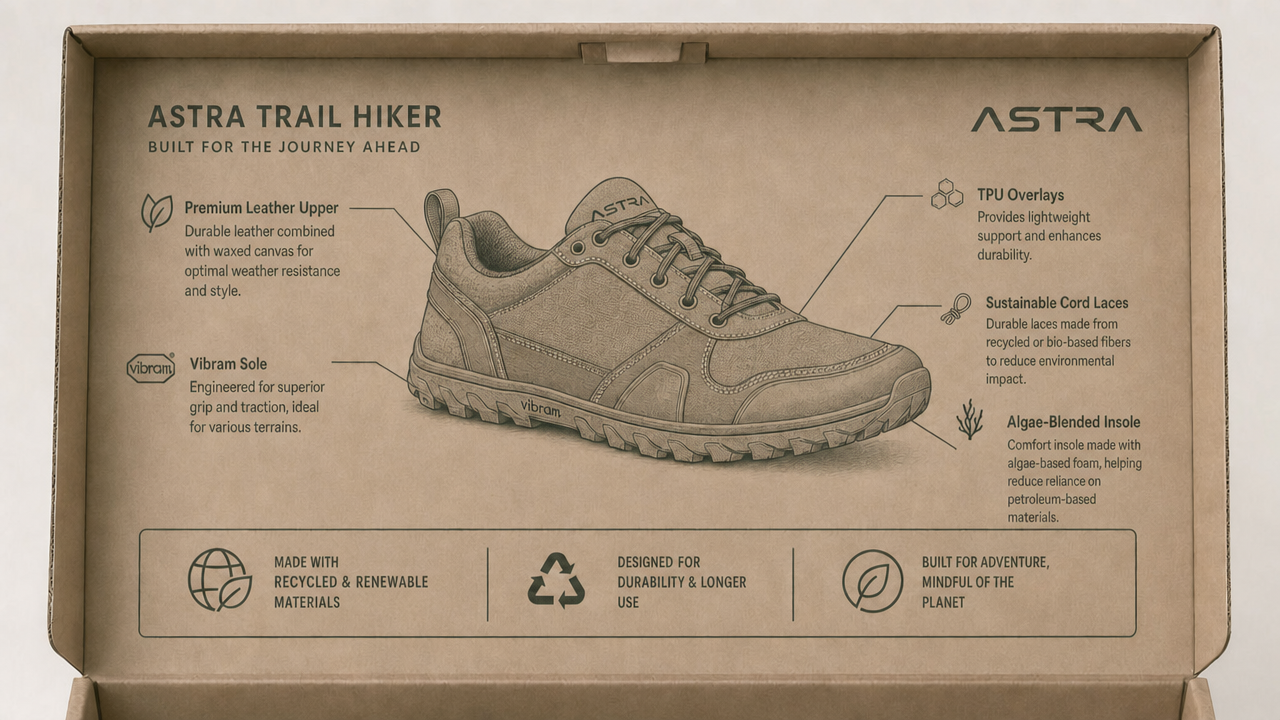
In class 6 is the finishing touch for any design presentation. We generated photorealistic images showing the shoes on the foot and images of packaging with a detailed product description, including a logo. This is an actual editable vector logo in ai.
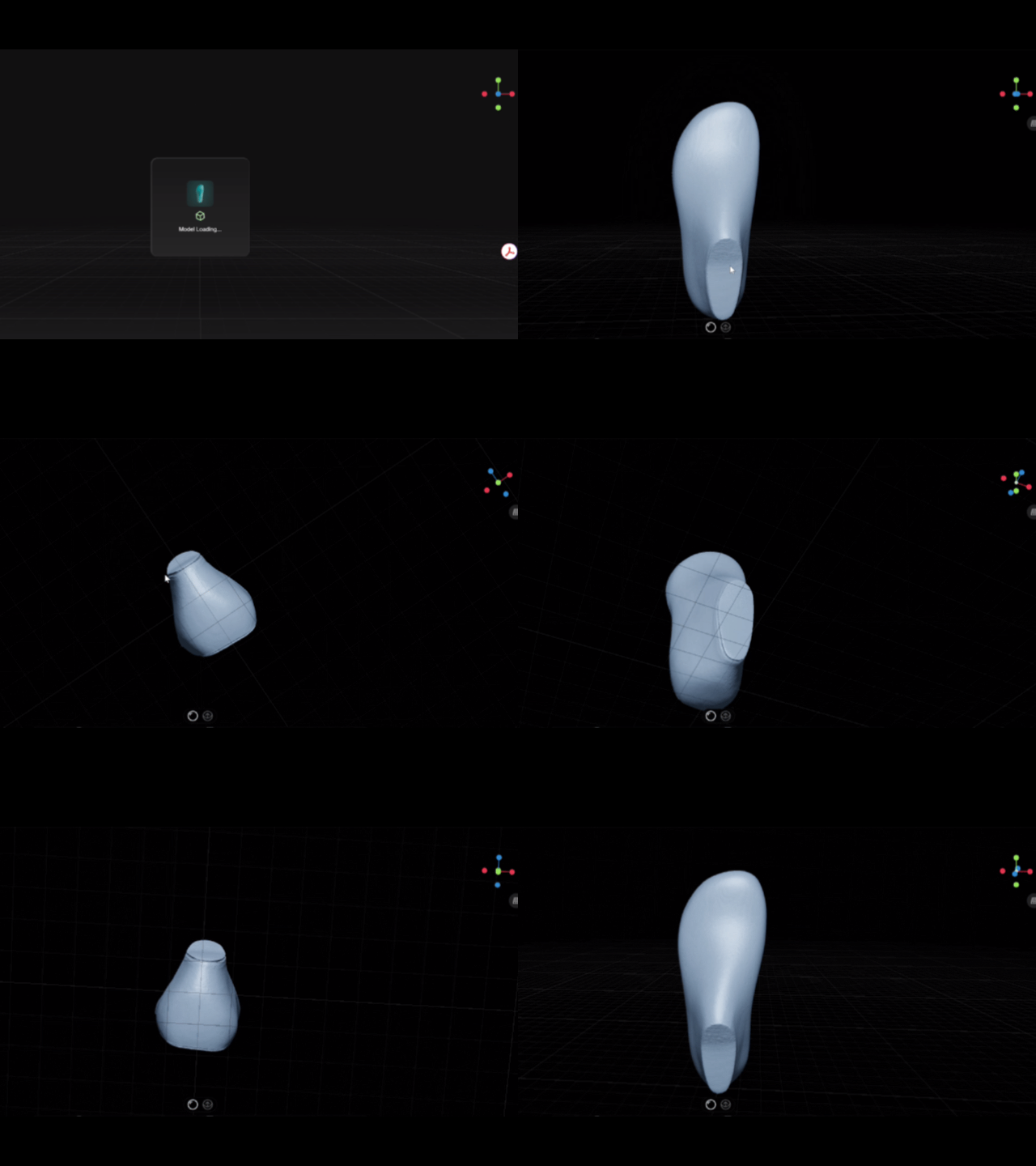
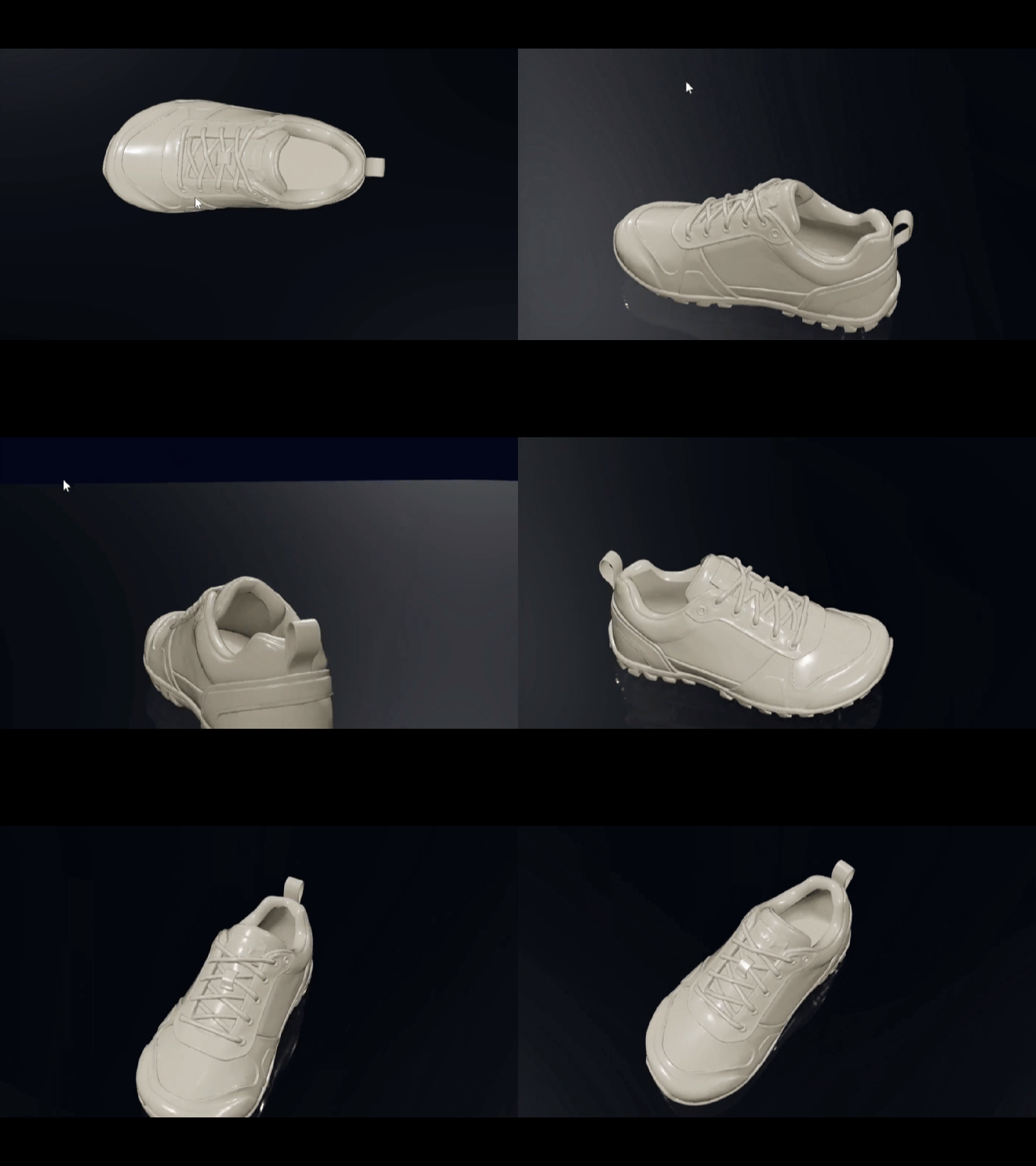
Then we used the multi-angle images that we had generated before of the last and the shoe to generate a 3D model of the last and shoe. Using a special app we created with Pixolid we then subtracted the last from the shoe, since this ai 3D model was not hollow and did not have the last shape yet. This does not require any 3D modeling skills and results in a fully printable shoe that is shaped to the last.
We had already made some short videos in the course, but for this class we also explained how to use ai for longer videos, so we could show the product on the actual user in their daily life. We also wrote the lyrics and composed the music with ai.

Examples class 7 - making the concept presentation and defending it
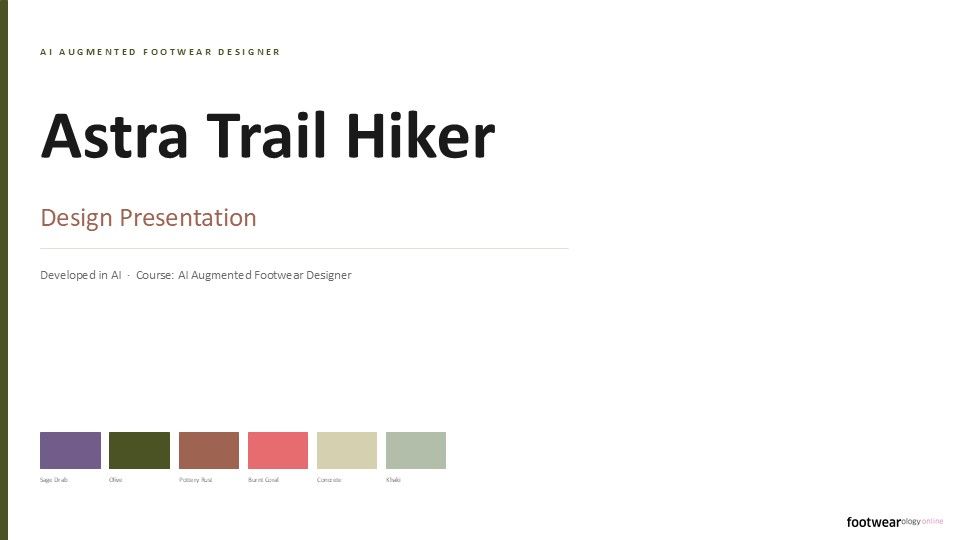
Once we had made all this - and this is just a selection of all the things we generated - we also used ai to compile it into a full presentation, all while we were making coffee....

Then we asked another ai to criticize our work from the position of a design manager, sales manager and marketing manager and trained our participants in defending their presentation.

You can download the full presentation, we are happy to share WHAT we did, if you want to know HOW we did this, then enrol now! You will find the full class schedule below.

Course Lessons

Write your awesome label here.

meet your instructor

Nicoline van Enter is the founder of Footwearology and has built her career on integrating emerging technologies into the footwear industry. Over the past three years, she has specialized in AI and its practical application in design and product development.
She has trained — and continues to train — leading brands across the globe, including Skechers (USA), John Fluevog (Canada), Charles & Keith (Singapore), and Aretto (India), each with very different strategic needs and levels of AI maturity.
AI Augmented Footwear Designer is the culmination of this experience. It goes beyond generating attractive visuals and focuses on teaching designers how to use AI to create measurable value — strengthening reasoning, improving workflows, and expanding creative capacity.
Used deliberately and intelligently, AI does not diminish the designer’s role. It elevates it.